
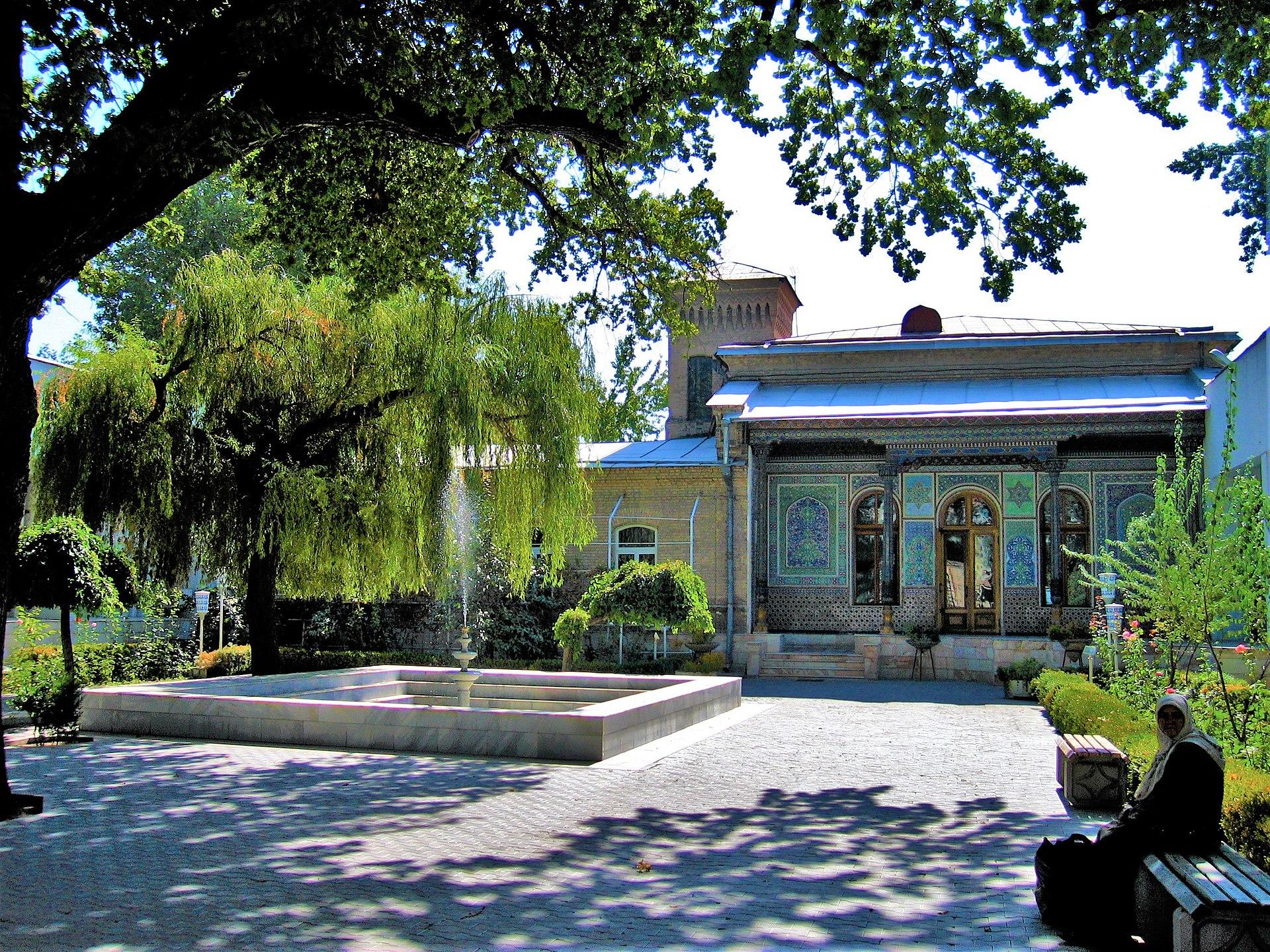
One
of the most fascinating and educational places in Tashkent is the State Museum
of Applied Arts and the History of Craftsmanship of Uzbekistan. The museum
houses over 7,000 examples of folk applied art: embroidery, tubeteikas,
jewellery, carpets, ceramics, chased metalwork, knives, textiles, and other
masterpieces of craftsmanship.
The
exhibits are conditionally divided into three groups: works based on ancient
traditions, works by 20th-century masters, and works by contemporary artisans.
Many
Tashkent residents were surprised to learn that in 2024 the museum was included
in the list of cultural heritage sites as a monument of modernism, since
everyone knows the building dates to the late 19th century. However, in the
1960s a decision was made to expand the museum. The reconstruction was designed
by architects U. Abdullaev and M. Ilkhamov, with façade artist N. Dolidze.
The
old Polovtsev House was successfully integrated into the new museum appearance:
a wing for textiles and clothing was added on the right, a craftsmanship centre
and souvenir shop on the left, and the entrance was originally designed. Once
visitors enter the inner courtyard, they perceive the building as a whole,
without visually separating old and new parts. At the beginning of this century
the museum underwent another reconstruction that preserved the main modernist
ideas laid down by the authors.
All
the museum’s exhibits are unique, but the building itself and its history are
no less captivating.
Before
the revolution this was a lane off Shelkovichnaya Street (later Germana
Lopatina Street, now Yunus Rajabi Street); after the revolution it became
Shpilkov Street in honour of a commissar shot during the Osipov revolt, and
today it is Rakatboshi Street.
The
house was built by merchant and commercial counsellor Nikolai Ivanovich Ivanov
near his own brewery.
In
1896 Ivanov sold the house to diplomat Alexander Alexandrovich Polovtsev, an
official for special assignments at the Ministry of Internal Affairs, who had
been sent to study the state of resettlement affairs in Central Asia and the
Transcaucasus. The house was rebuilt in an oriental style — a rare combination
of Russian architecture with local decorative elements. The best masters
decorated the walls with ganch, installed carved wooden columns, and painted
walls and ceilings with ornaments.
In
1909 Polovtsev donated his house to the city. During World War I it served as
barracks for captured Austrian officers. In the 1930s the mansion became an
orphanage for Kazakh children fleeing famine. From 1937 it housed the Museum of
Handicrafts, and in 1960 it became the “Permanent Exhibition of Applied Arts of
Uzbekistan”.
In
1997 the museum came under the Ministry of Culture and received the status of
the State Museum of Applied Arts. On 20 December 2017 a government resolution
“On the establishment of the State Museum of the History of Applied Arts and
Craftsmanship of Uzbekistan” clarified the museum’s name and tasks.
Few
people remember all the historical details, but old Tashkent residents still
affectionately call it “Polovtsev House”.
All
the twists and turns of this remarkable building are remembered by the huge oak
tree growing in the museum courtyard — be sure to stroke this veteran tree when
you visit.
Address:
15 Rakatboshi Street.
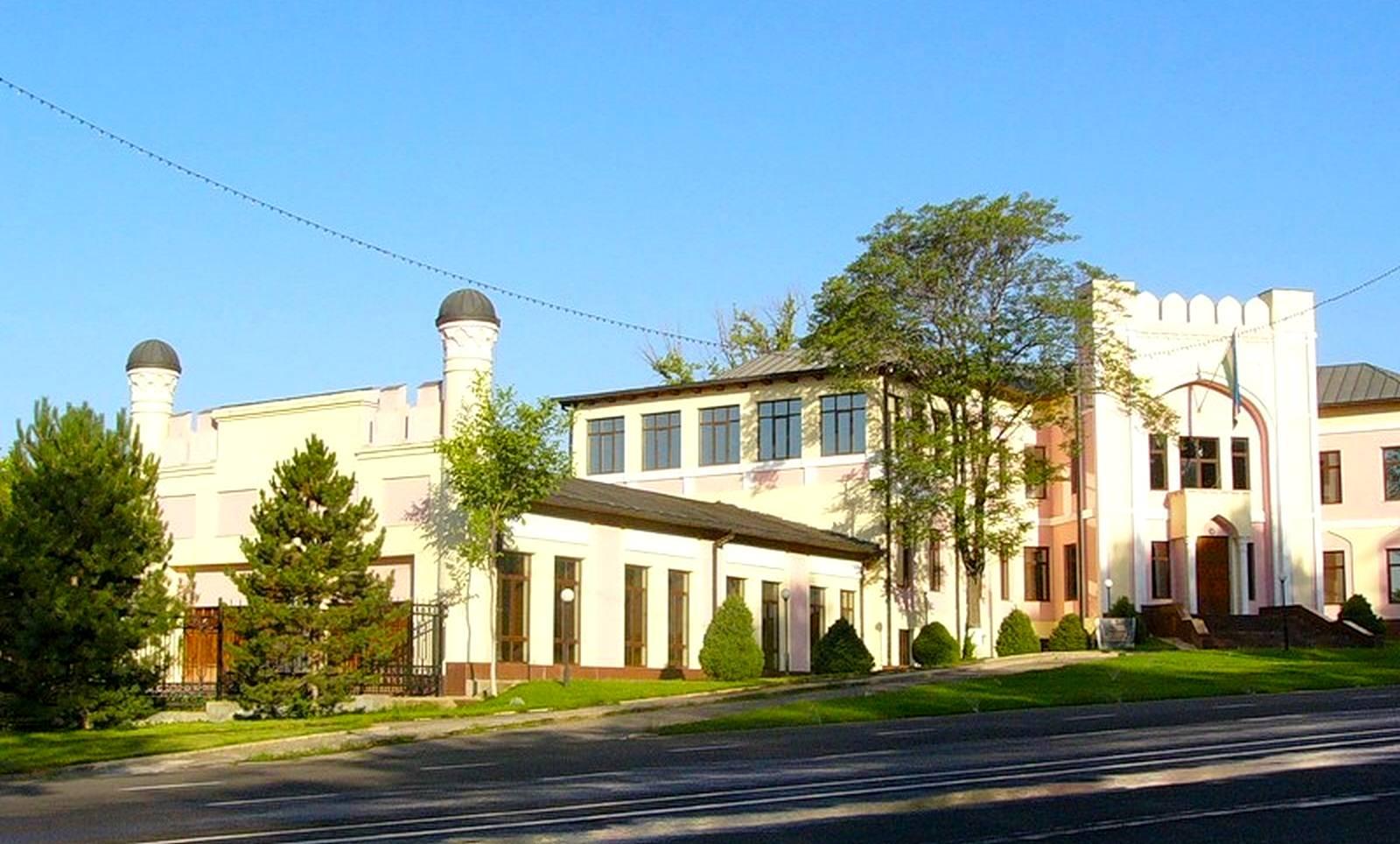
Tashkent residents are familiar with the beautiful building of unusual architecture featuring Easte...
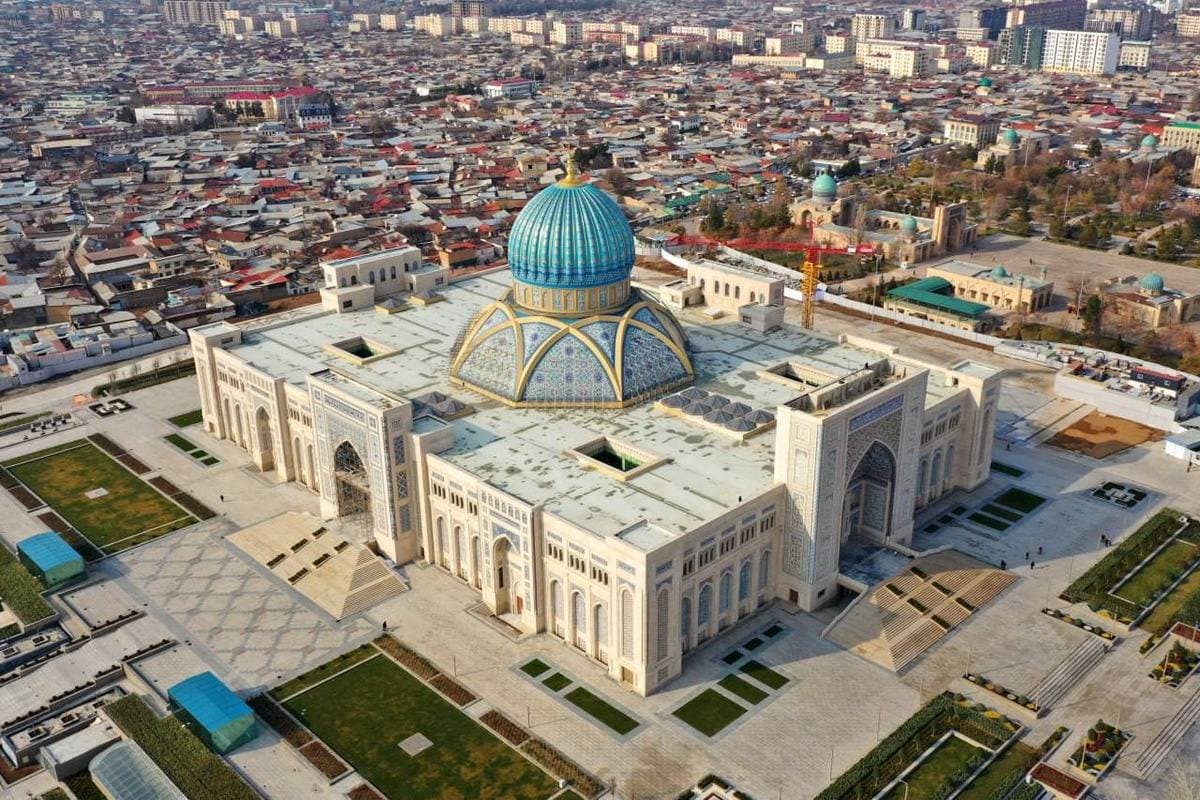
A unique international scientific and educational complex located near the Hast-Imam ensemble – a ...
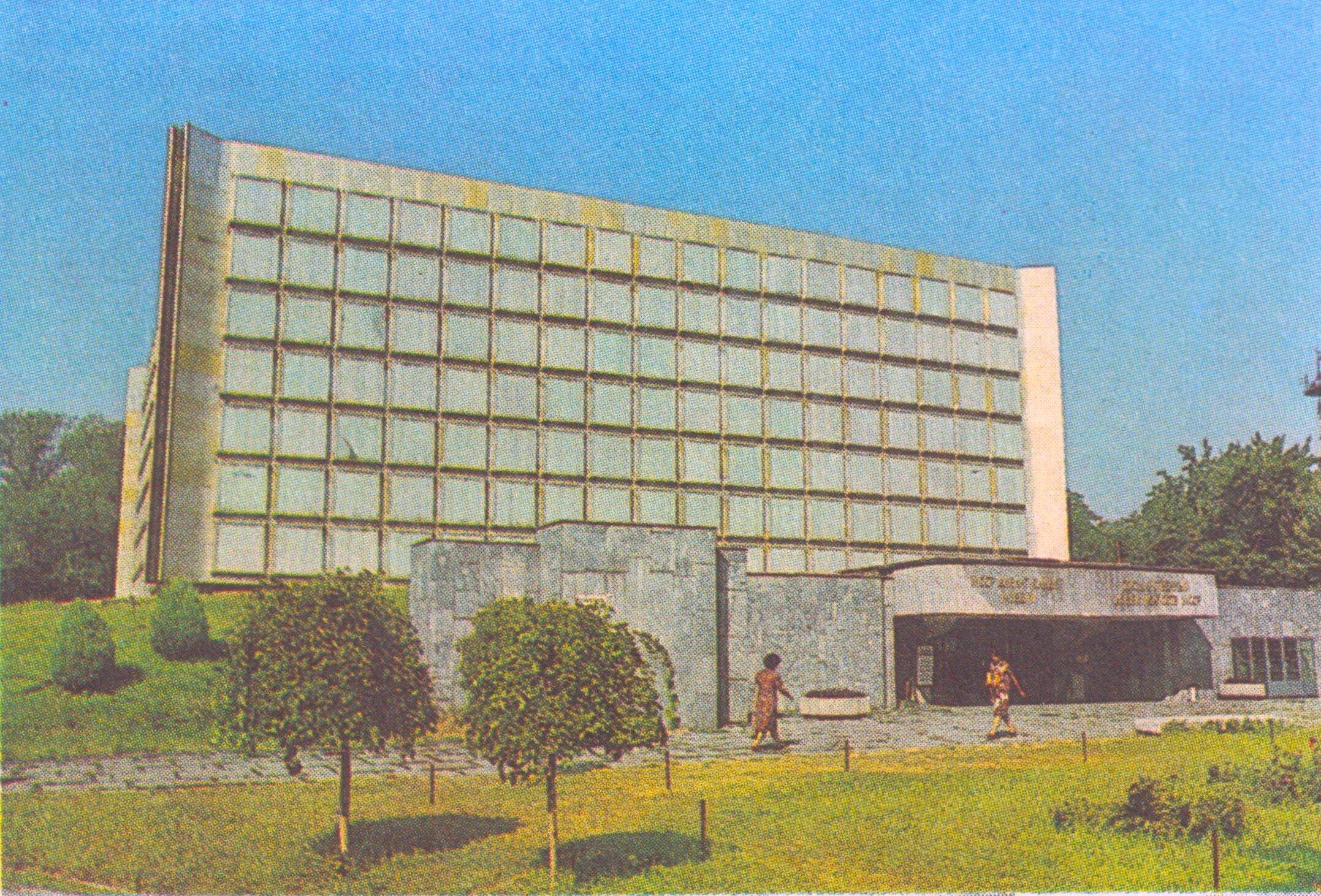
The State Museum of Arts of Uzbekistan was founded in 1918 as the People’s University Museum. Until...
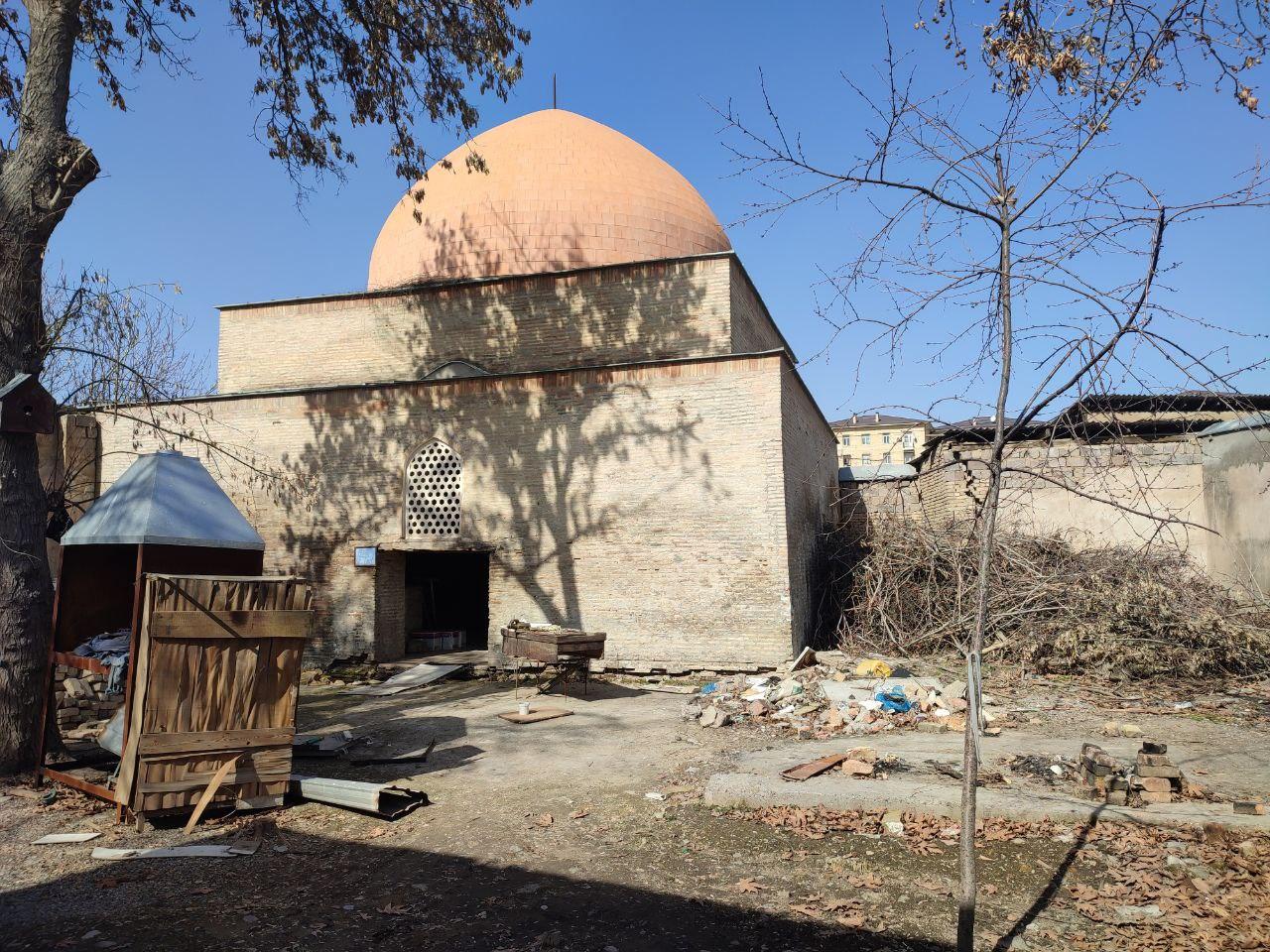
The mosque, with its orange dome visible from afar, was first registered as a historical monument i...