

The three turquoise domes next to the
Kukeldash Madrasah are visible from afar and define the landscape of Tashkent's
old city. The construction of a mosque on this hill marked the beginning of
Tashkent's restoration in the 9th century after its destruction by Arab
conquerors.
In 1432, the famous Sufi and public
figure Ubaidullah Khoja Ahrar, leaving Tashkent for Samarkand, ordered the
construction of a large Friday mosque on the foundations of an older mosque.
Khoja Ahrar was born in the village of Bagustan near Tashkent in 1404 and
became renowned for his religious knowledge and public service. Built in 1451,
the mosque had a cube-shaped form with a dome and a large courtyard for
worshippers. It was the third largest Friday mosque in the region, surpassed
only by Bibi-Khanym in Samarkand and Kalyan in Bukhara.
Centuries passed, rains and
earthquakes destroyed the mosque, and it was reconstructed several times. In
the 18th century, during the reign of the Sheikhantaur khokim Yunus Khoja, the
main cube was repaired and the vaulted galleries with cells around the long
courtyard were rebuilt. The structure was severely damaged during the 1868
earthquake and was restored in 1888 with funds donated by the Russian Emperor
Alexander III from the Emir of Bukhara's war contribution, leading it to be
known as the "royal" mosque.
The enormous cube remained visible on
the hill until the end of the 20th century, where it continued to deteriorate.
In 1997, the decision was made to reconstruct the mosque, and in 2003 it
reopened in a renovated form with three silver domes.
In 2018, the domes were painted
turquoise. The largest mosque is operational and open for prayer and to
tourists. It still bears the name of Khoja Akhrar Vali, and is also known as
the "Juma Mosque" and "Jami Mosque." The name "Royal
Mosque" remains only in the memories of contemporaries, as mentioning the
Tsar was forbidden during the Soviet era, and the mosque building was used as a
dormitory and for public purposes.
The current three domes recall the
city's history and the former grandeur of what was once the only Friday mosque
in Tashkent.
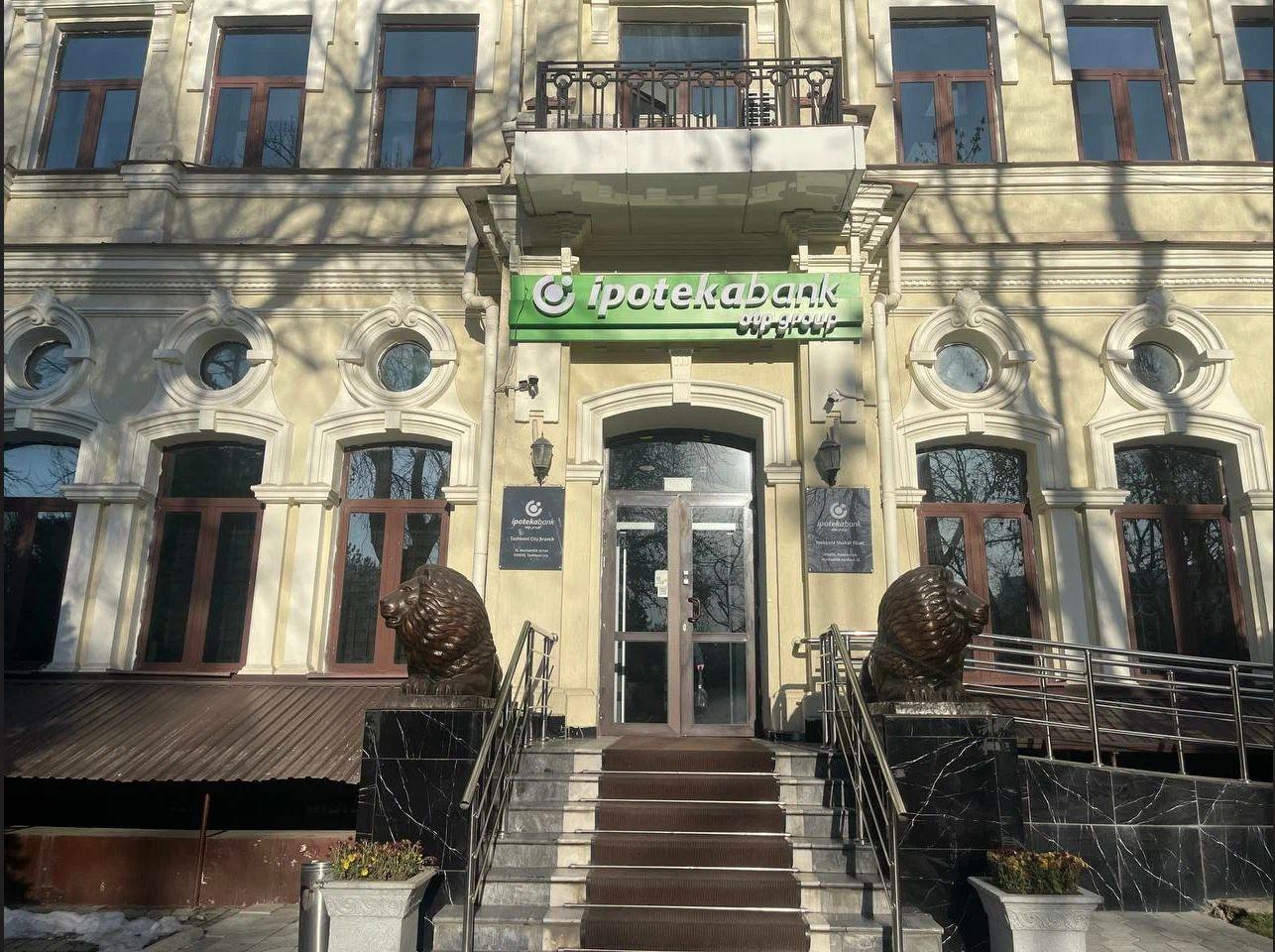
The botanist and pharmacist Hieronymus Ivanovich Krause arrived in Tashkent in 1870 and began worki...
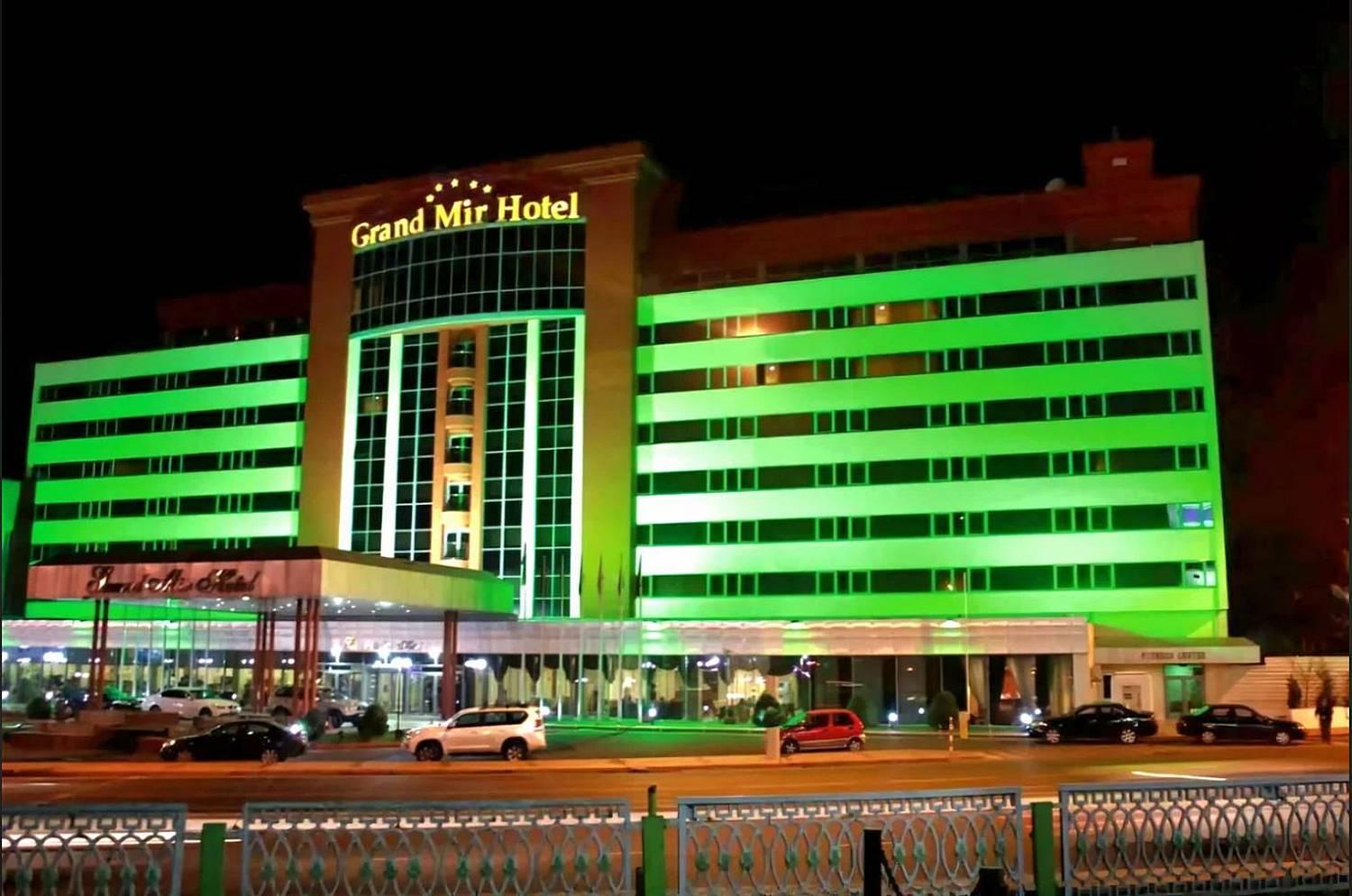
Hotel "Russia" Built in 1965. Architect — V. Muratov; engineers — V. Parshin and A. Ivanova; artis...
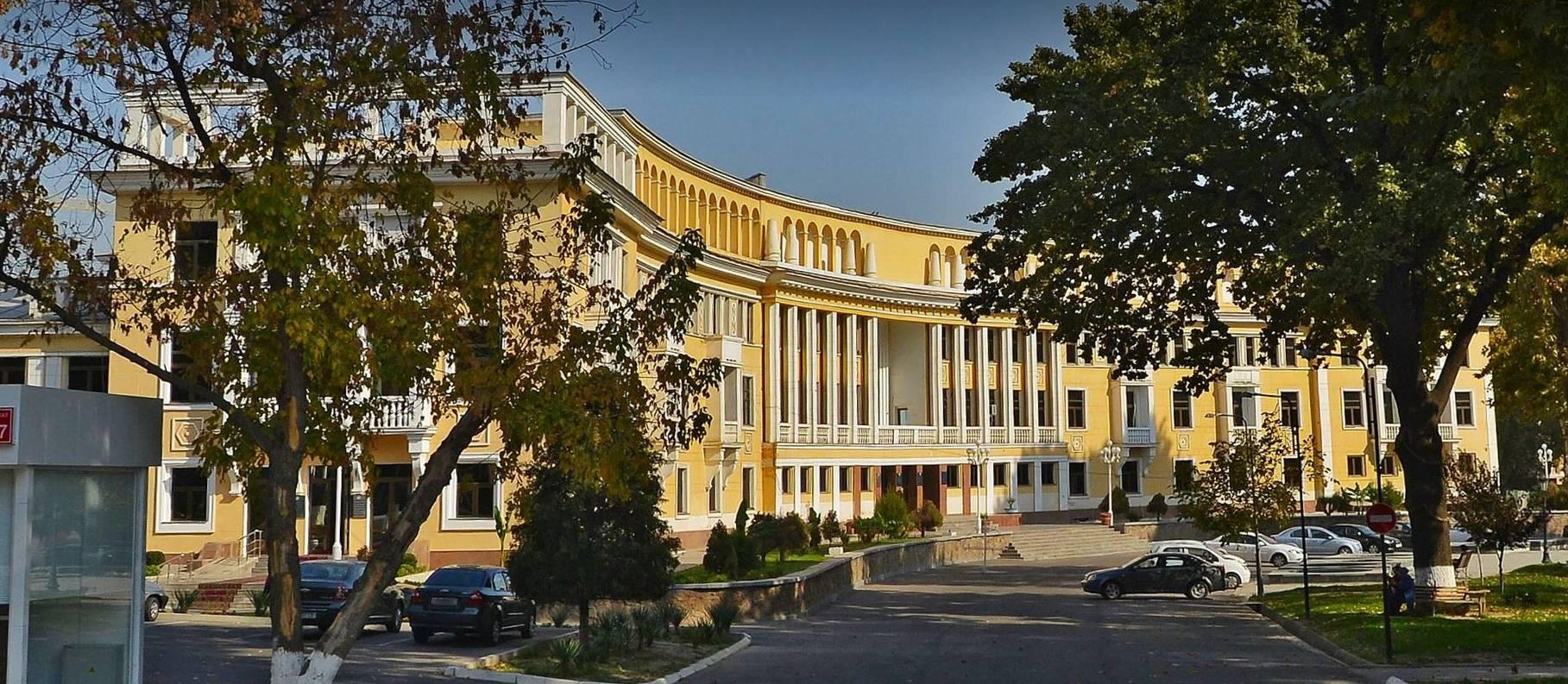
The beautiful building with a semi-circular facade was constructed in 1938 by Moscow architects A. ...
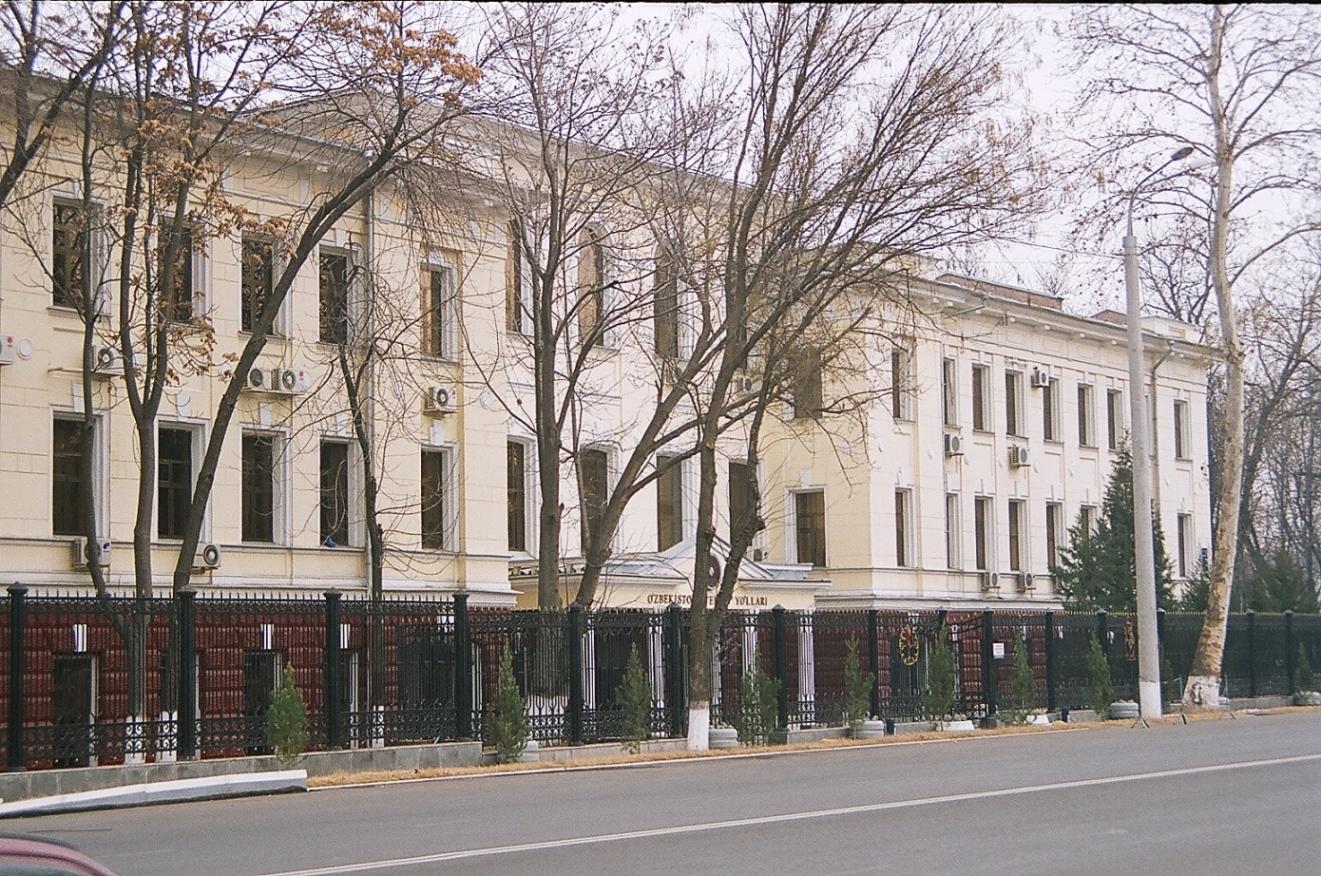
The first three-story building in Tashkent was constructed in 1914 based on the design of G. M. Sv...