
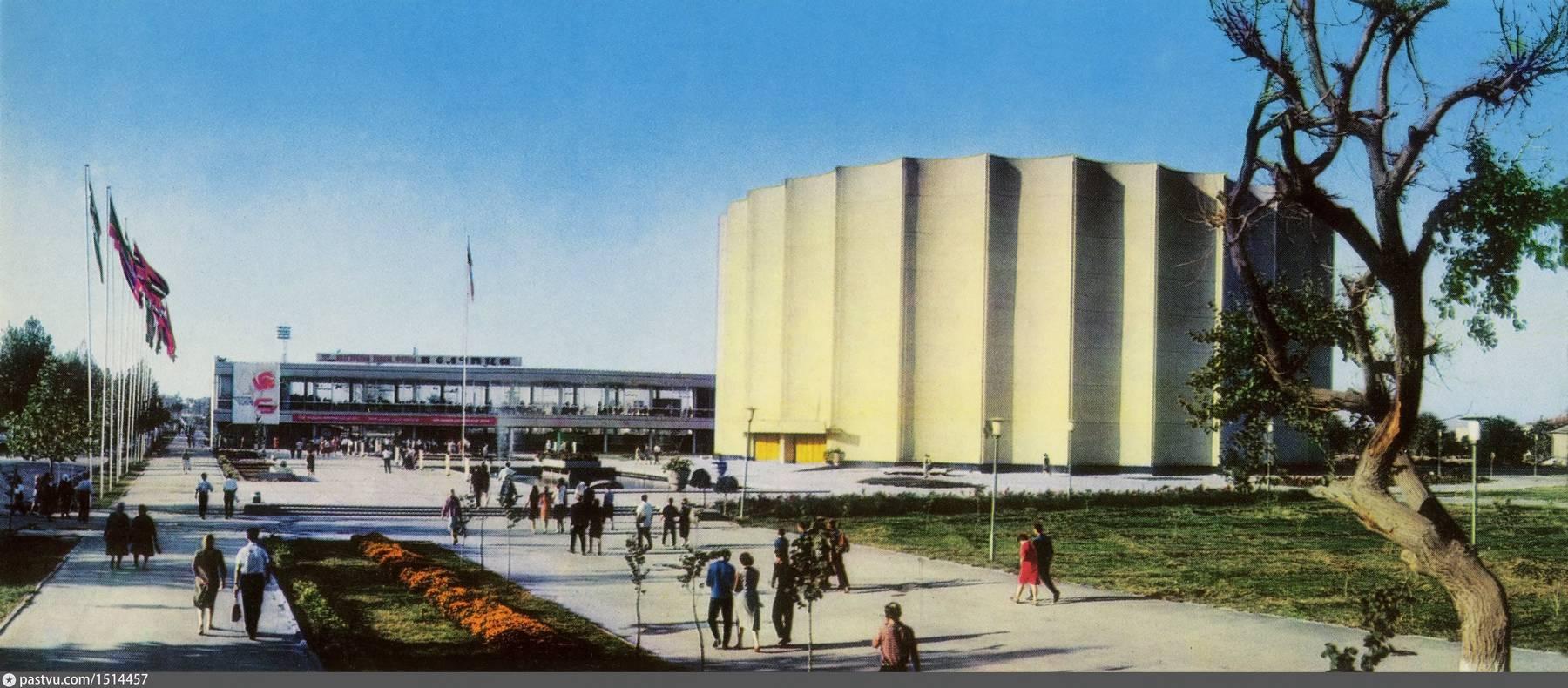
The Alisher Navoi Cinema Palace, better known to Tashkent residents as “Panoramic,” is one of the capital’s most expressive and iconic buildings. Art historians call it a unique example of Soviet modernism: “Panoramic” is mentioned in numerous articles and textbooks on contemporary architecture.
The
building’s architectural solution — a cylinder assembled from vertically
arranged concrete rings — not only ensured exceptional structural strength (it
withstood the powerful 1966 earthquake) but also created a striking interplay
of light and shadow, emphasizing the volume and monumentality of the form. The
massive cylinder is effectively balanced by a light, elongated foyer.
The
cinema’s history dates back to the decree of the Council of Ministers of the
Uzbek SSR on August 7, 1958, which allocated two hectares of land on Navoi
Street in Tashkent’s Oktyabrsky District for construction. The work was
completed in November 1964.
The
main auditorium seats 2,300 people. The 34×14-meter cinema screen was
considered one of the largest in Central Asia. The interior finishes used beech
slats, particleboard, and perforated panels mounted on a steel frame. Air
conditioning systems — a rarity at the time — were installed in the hall and
foyer.
On
August 3, 1978, by decision of the Tashkent City Executive Committee, the
Palace of Arts was included in the list of historical and cultural monuments.
In 1991, it was named after the great poet Alisher Navoi, and in 1996, by a
decree of the Cabinet of Ministers, the “Palace of Arts” became part of the
“Uzbekkino” State Joint-Stock Company.
The
large hall was used for premiere film screenings, ceremonial gatherings, KVN
games, and other mass events.
The
authors of “Panoramic” were a team of young architects: V. V. Berezin, S. M.
Sutyagin, Yu. A. Khaldeev, D. M. Shuvaev; engineers D. G. Antman, A. S.
Braslavsky, with the participation of architect O. Legostaeva and artists
Alexander and Viktor Gan. Later, part of the team was reassigned to other
projects, and completing the design and construction fell to Sergo Mikhailovich
Sutyagin, who was only 27 years old at the time.
In
2020, the Cinema Palace underwent reconstruction: the foyer featured retro cars
and mockups of scenes from old film shoots. An attempt was made to clad the
foyer facade with Alucobond, but after an appeal by Boris Chuhovich, head of
the cultural heritage observatory Alerte Héritage, the finishing work was
halted, and the building’s original appearance was preserved.
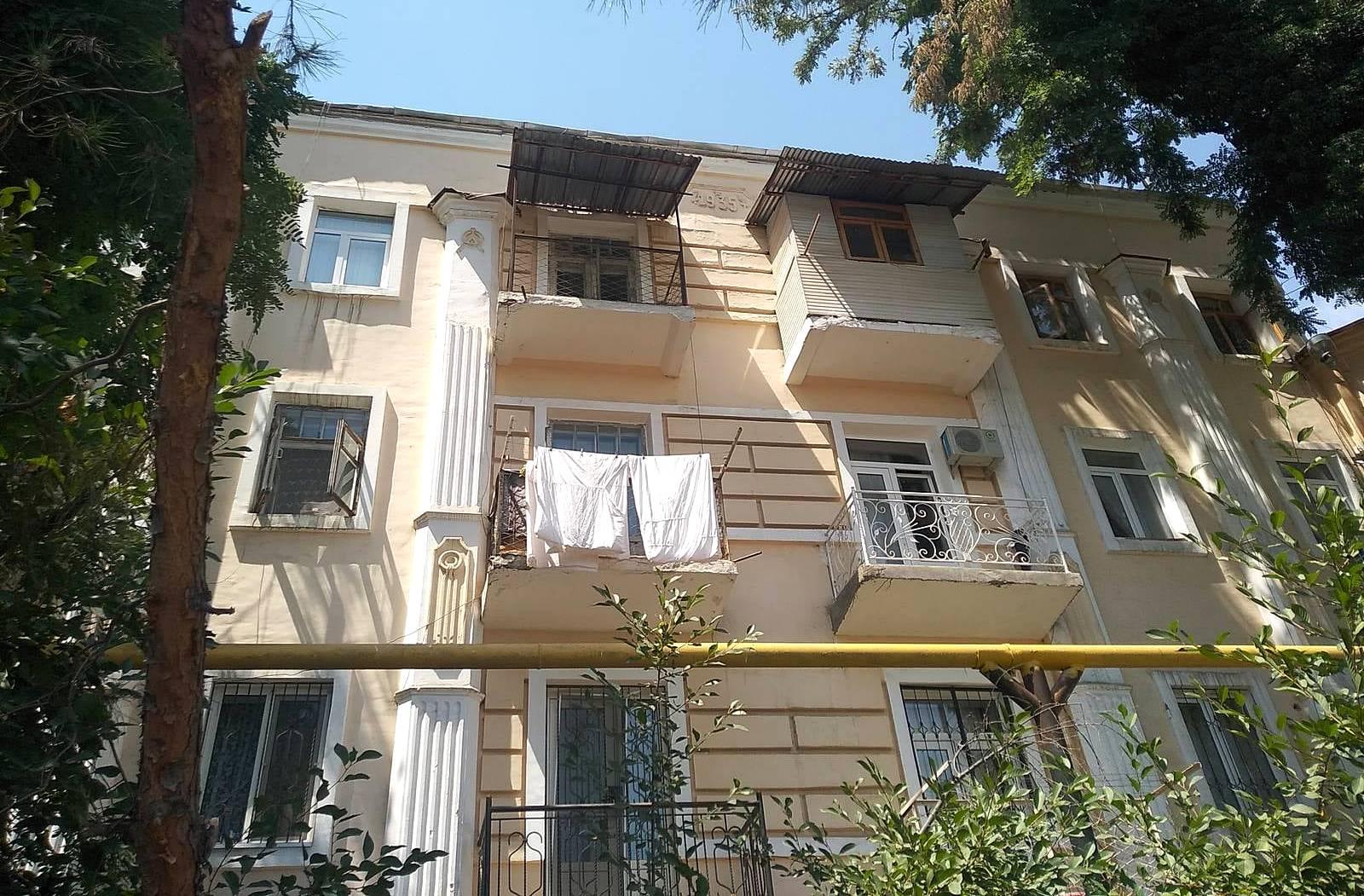
In 1933, the Council of People's Commissars of the Uzbek SSR decided to build Uzbekistan's third hy...
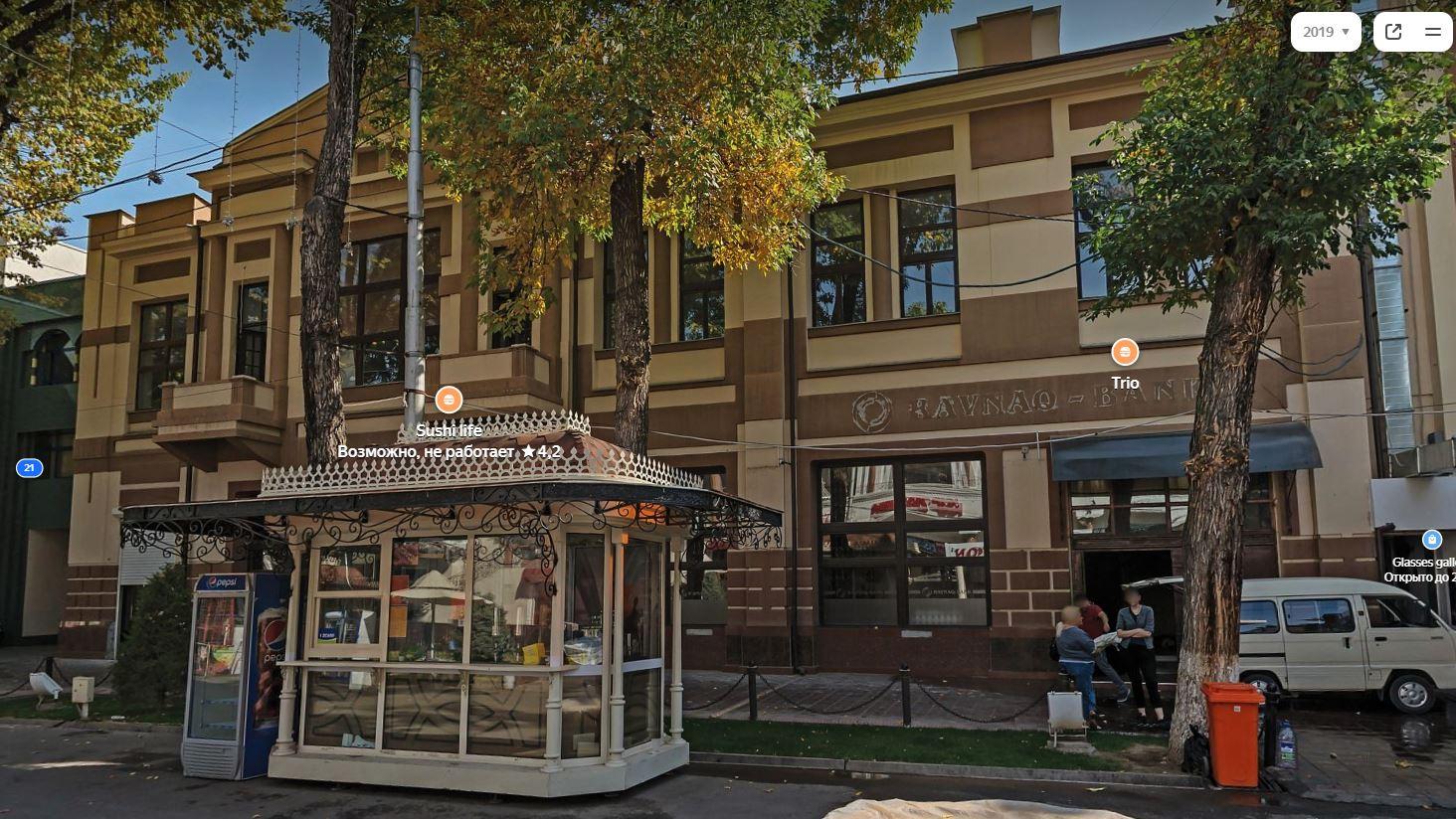
The Yaushev brothers, merchants from a Tatar princely family, built a trading house in 1911 based o...
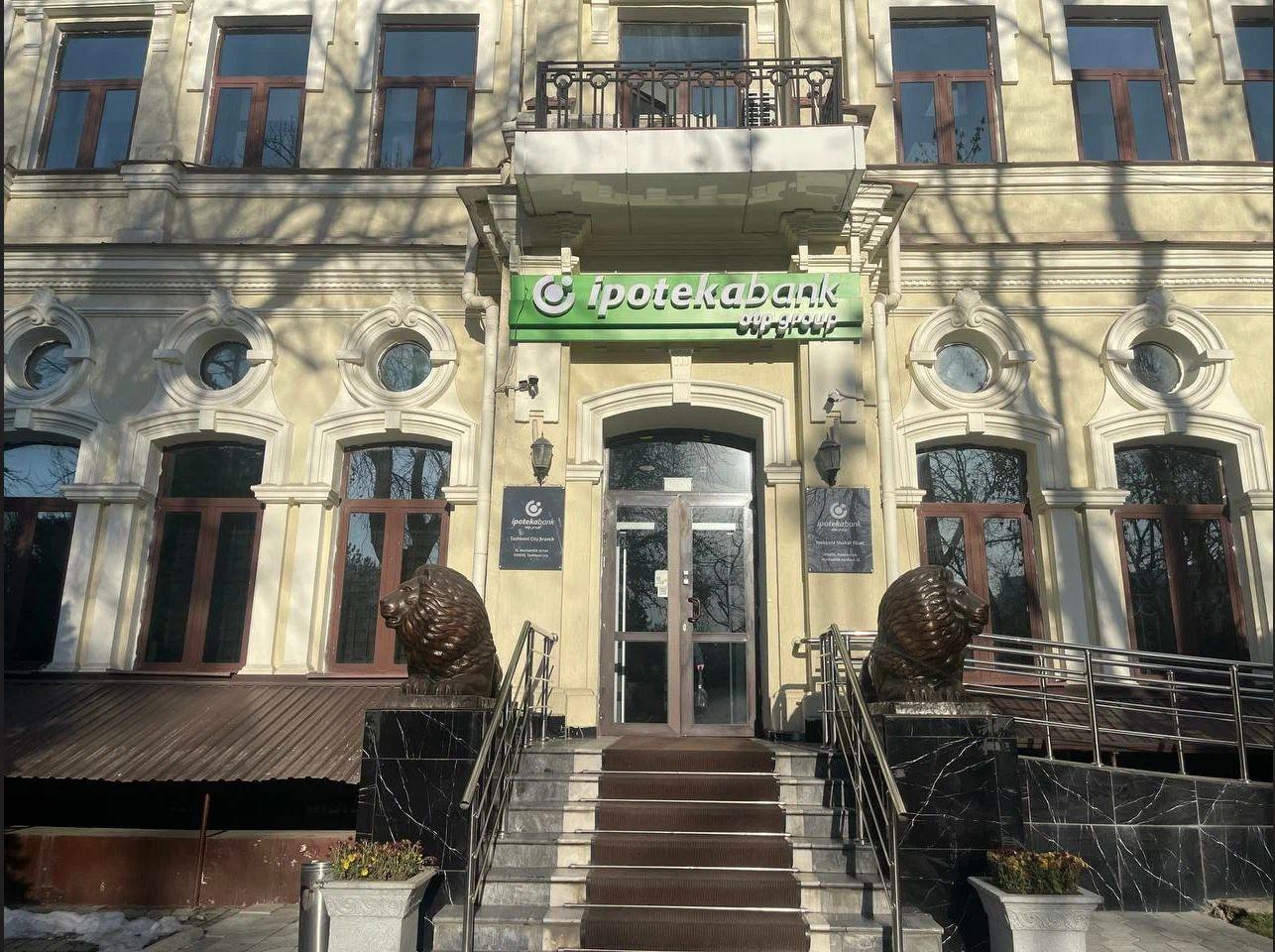
The botanist and pharmacist Hieronymus Ivanovich Krause arrived in Tashkent in 1870 and began worki...
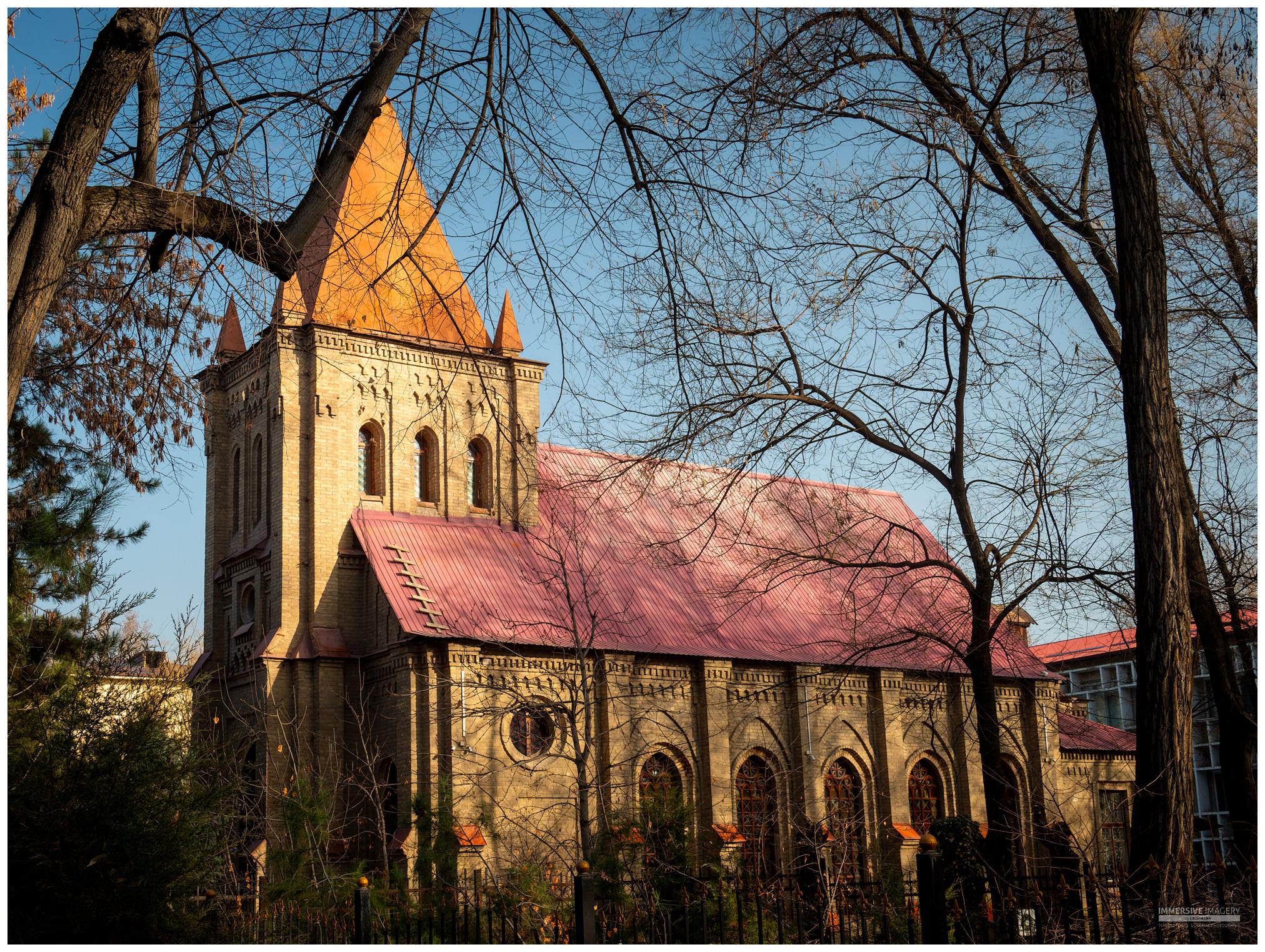
The Tashkent Kirche is considered the first Lutheran church in Central Asia. The initial design of ...