
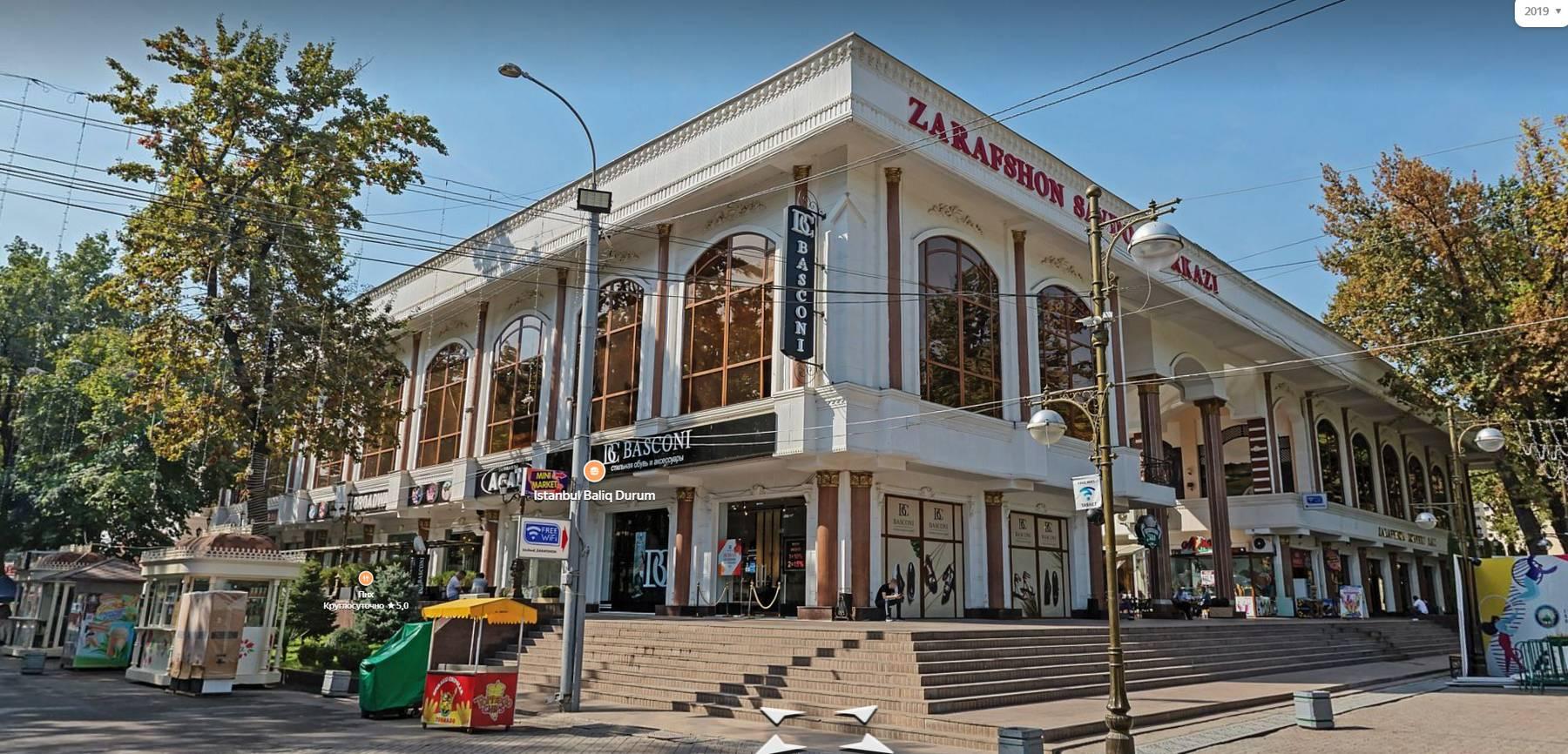
The “Zarafshan” restaurant was built in 1974 and immediately became one of the most popular spots among Tashkent residents. Before the 1966 earthquake, the area featured dense development: among the buildings was the famous Central Gastronom, and earlier — the merchant Zakho’s store. The second floor housed the Tashkent Trade Union Council.
The restaurant is located in the
very heart of the city and opens onto three streets — Zarafshan (former Kirov /
Irjar), Matbuotchilar (Leningrad / Petersburg), and Sayilgoh (Karl Marx /
Kaufman). Few remember that between the restaurant and the now-demolished
former SGB (SNB / KGB) building once ran the densely built, now vanished
Akhunbabayev (Ikon) Street.
Work on the project, initially
titled “Asia,” began in 1966, right after the earthquake. Ultimately, however,
the restaurant was named after the river flowing near Samarkand. The building
was designed by architects V. L. Spivak, A. P. Sineg, and R. Ya. Memetov in
collaboration with the “Tashgiprogor” team.
The three-story building’s
basements housed storage rooms and refrigerators. After opening, it featured
the Large and Small Halls, as well as three banquet halls — “Marble,”
“Bukhara,” and “Oak.” The walls of the “Bukhara” hall were adorned with carpets
and intricate ganch carvings with mirrors.
The second floor included a dietary
canteen, the “Tabaka Chicken” café, and a staircase leading to the third
floor’s “Ice Cream” café. The first floor housed the “Night Labyrinth” café, a
cocktail hall, several bars, and, on the KGB building side, a culinary shop
famous for its “Bird’s Milk” cake.
The building is recognized as an
architectural monument and a vivid example of Soviet modernism.
In recent years, the restaurant’s
premises have been leased to various owners: restaurants, bars, coffee shops,
and trendy boutiques have opened here. Classic plov is available for lunch. The
decor has become colorful, with signs in diverse styles. On one hand, it’s not
alarming: after all, “Zarik” remains a people’s favorite. On the other, it’s
unacceptable to spoil the appearance of a unique architectural heritage
monument.
While strolling Tashkent’s
“Broadway,” many stop by the familiar “Zarafshan” for a bite or some shopping —
after all, Tashkent is unimaginable without it.
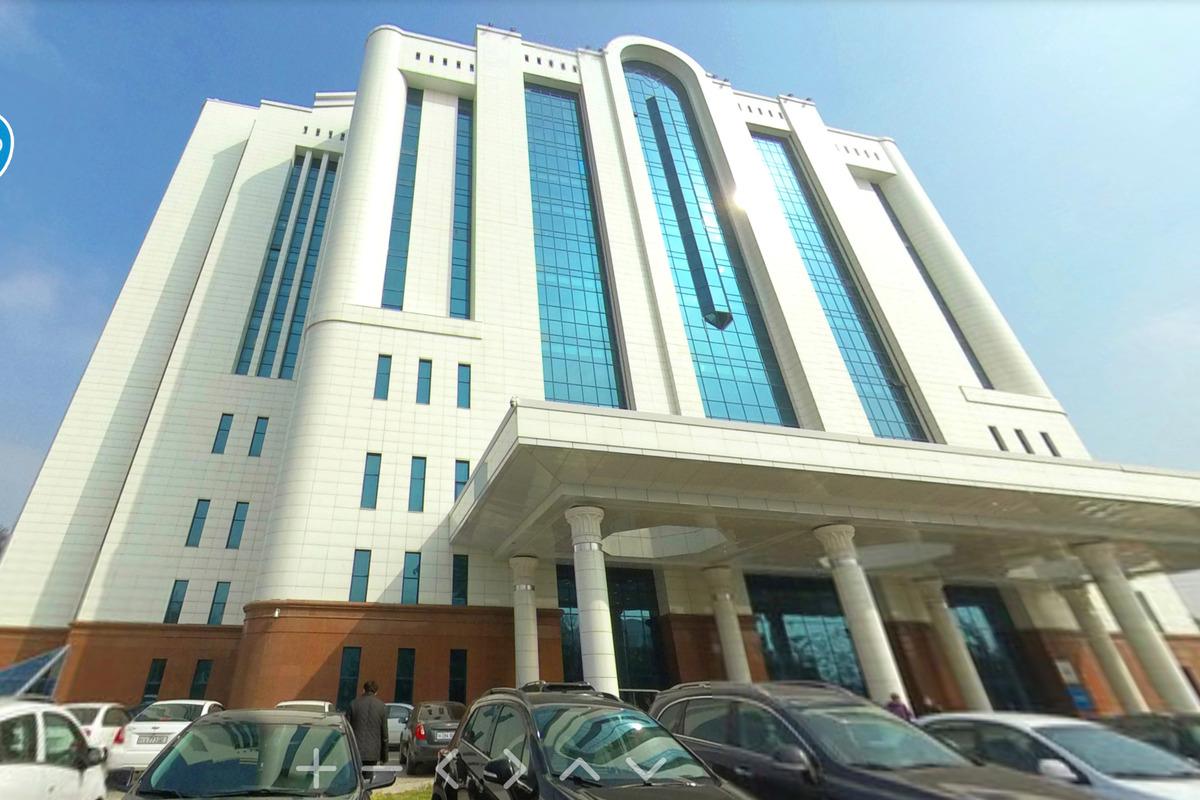
Construction of the building began in the early 1970s as the Computing Center of the State Plannin...
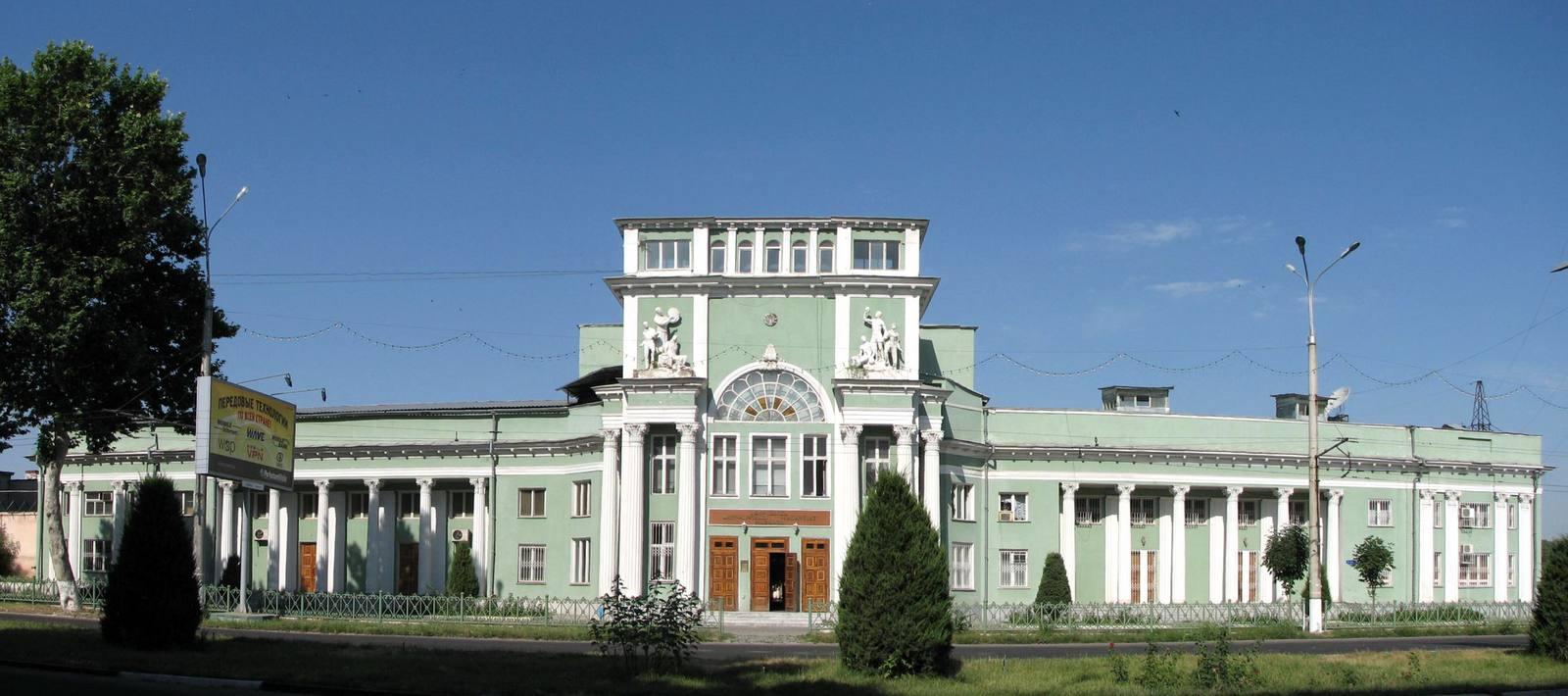
The Shoemakers’ Palace of Culture of Tashkent Production Shoe Association No. 1 was built in 1936 a...
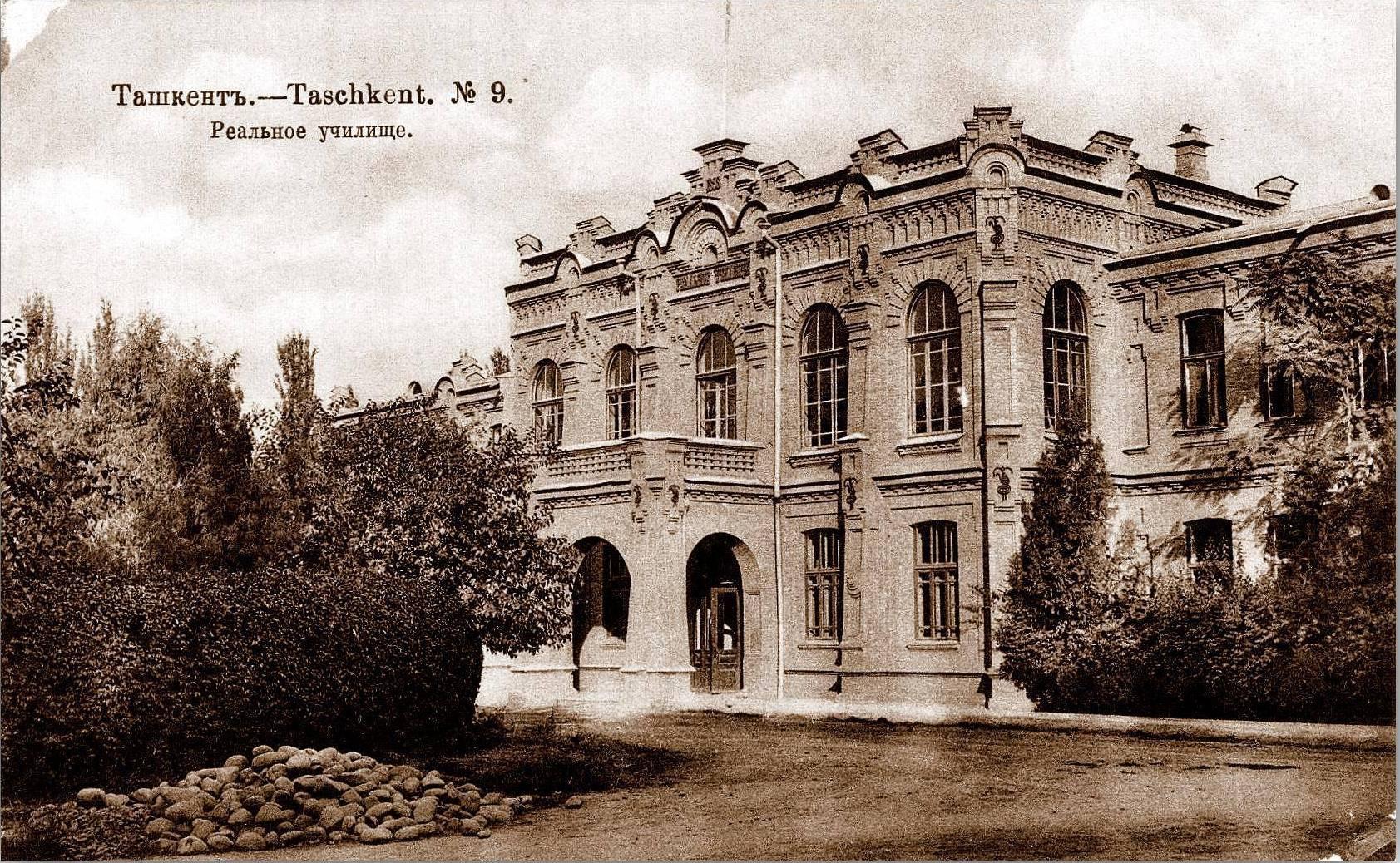
In 1894, the first real school was opened in Tashkent. These schools were called "real" because, un...
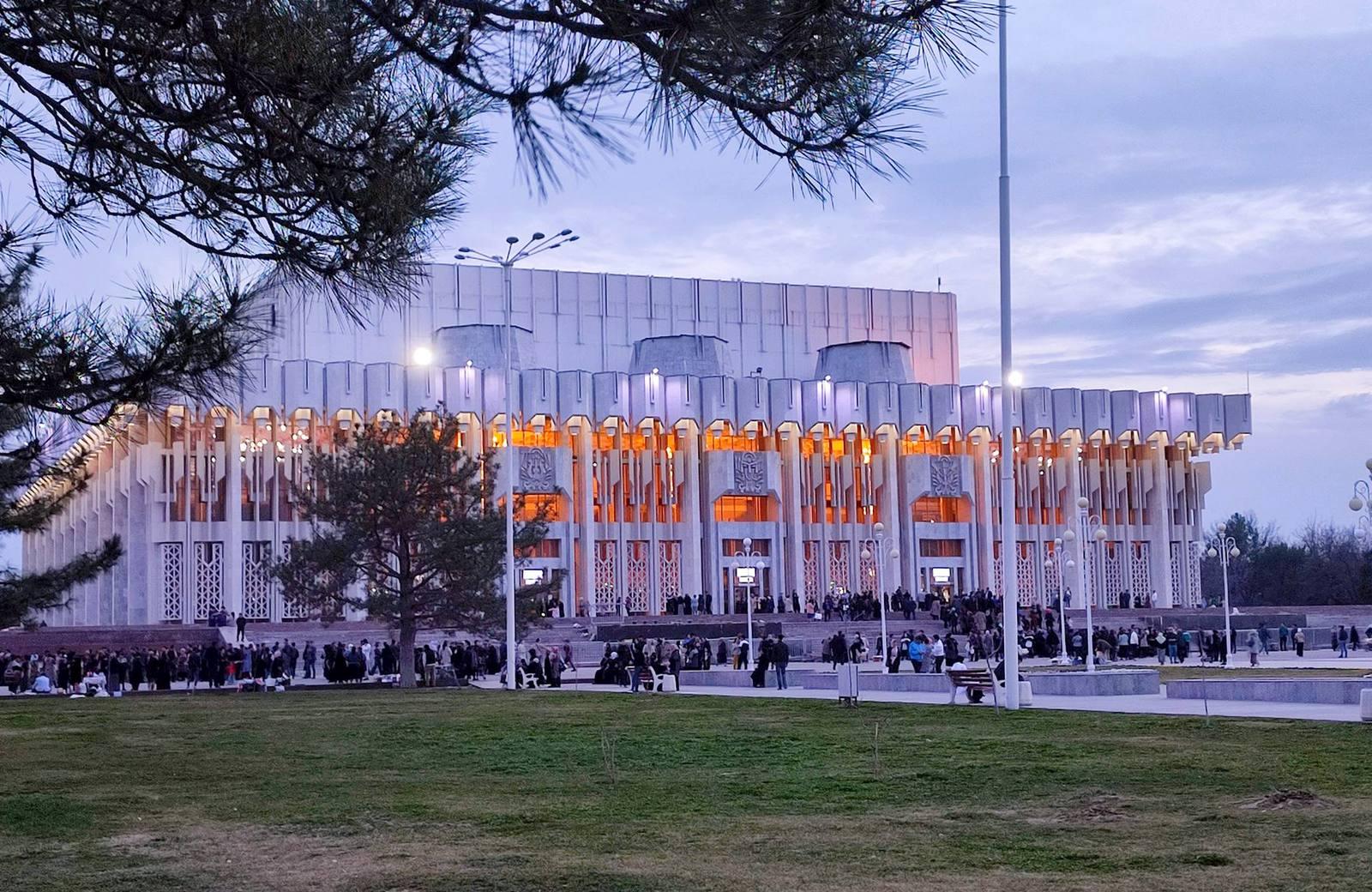
One of the country’s main concert and ceremonial halls, the “Friendship of Peoples” Palace was ope...