
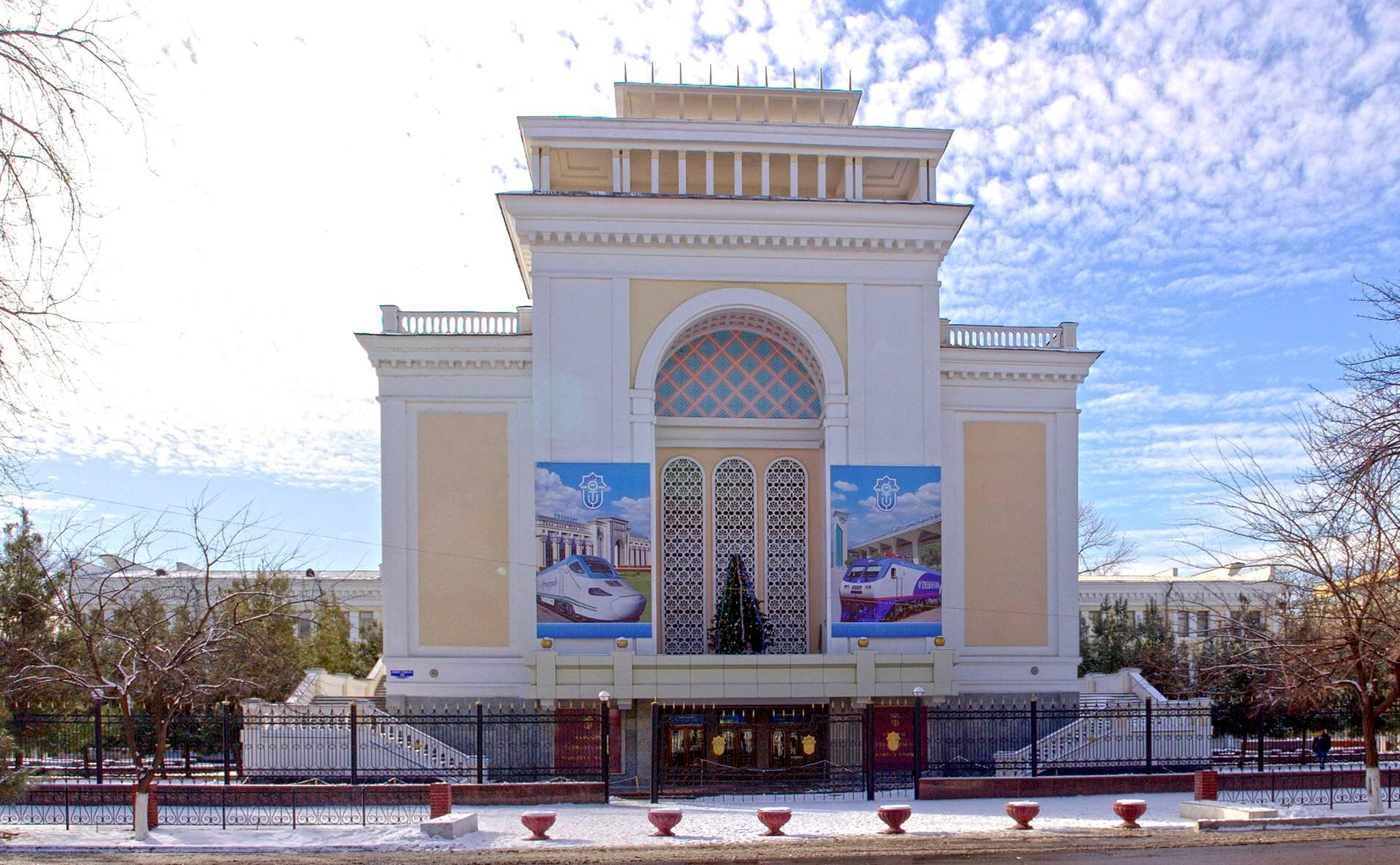
Built in 1938 according to the design of Soviet architect A. I. Pavlov in the styles of constructivism and socialist realism. In the traditions of “Stalinist” architecture, the building is decorated with vases and stucco; sculptures stood in front of the entrance.
The building houses a cinema, a concert
hall, the Central Library of the Trade Union of Railway Workers and Transport
Builders of Uzbekistan, the Road Scientific and Technical Library of the
“Uzbekistan Railways” company, and the Museum of the History of the Uzbek
Railway.
In 1979–1980, the Palace of Culture
underwent a large-scale reconstruction led by architect V. I. Piskaryov.
A small park was laid out around the
building; in recent years, part of its territory has been occupied by various
constructions.
For over 85
years, the beautiful building has been used for concerts, and various thematic
clubs operate within it.
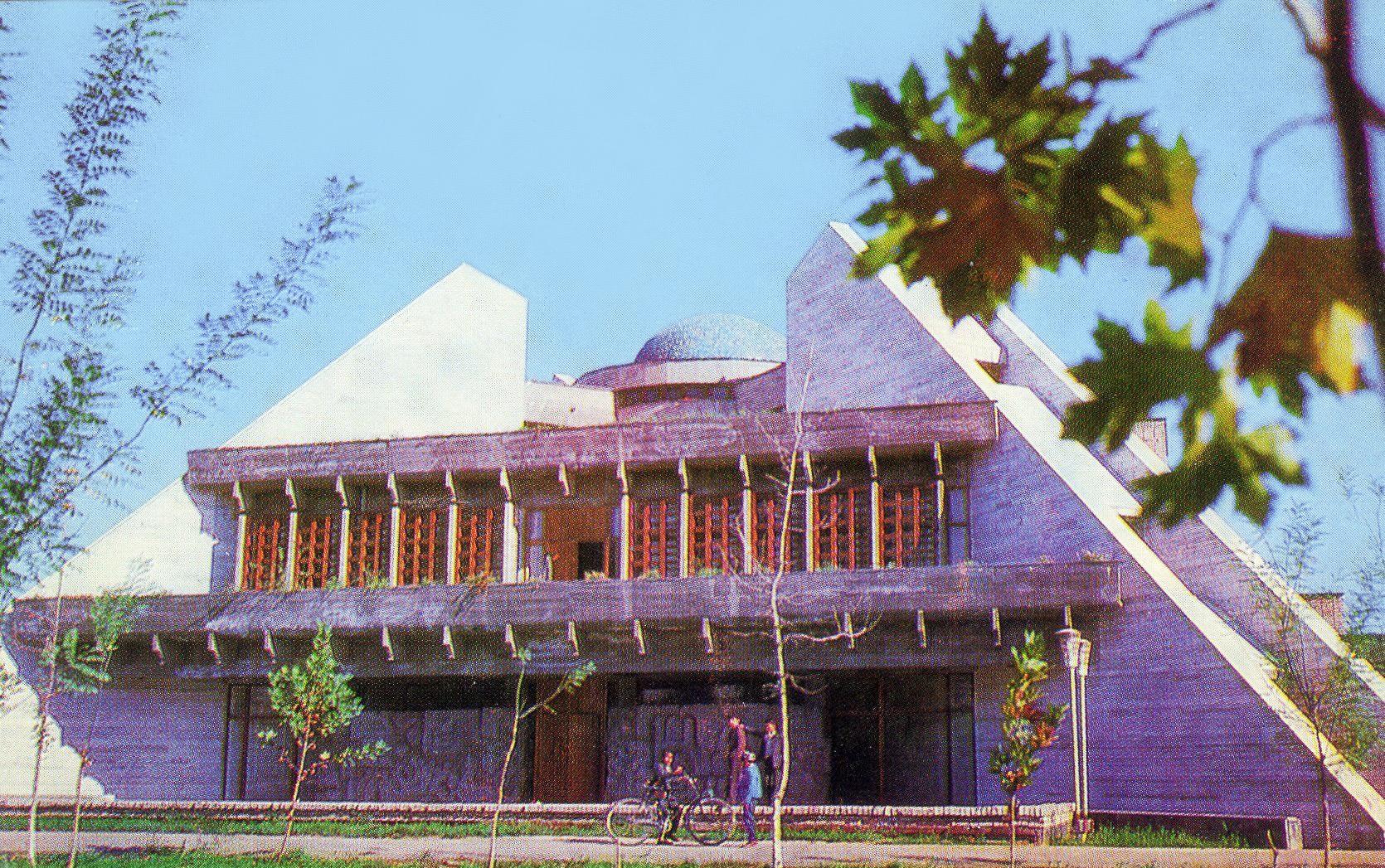
The “Samarkand” teahouse was built in 1975 on Samarkand-Darvaza Street.Architect: S. Sutyagin; engi...
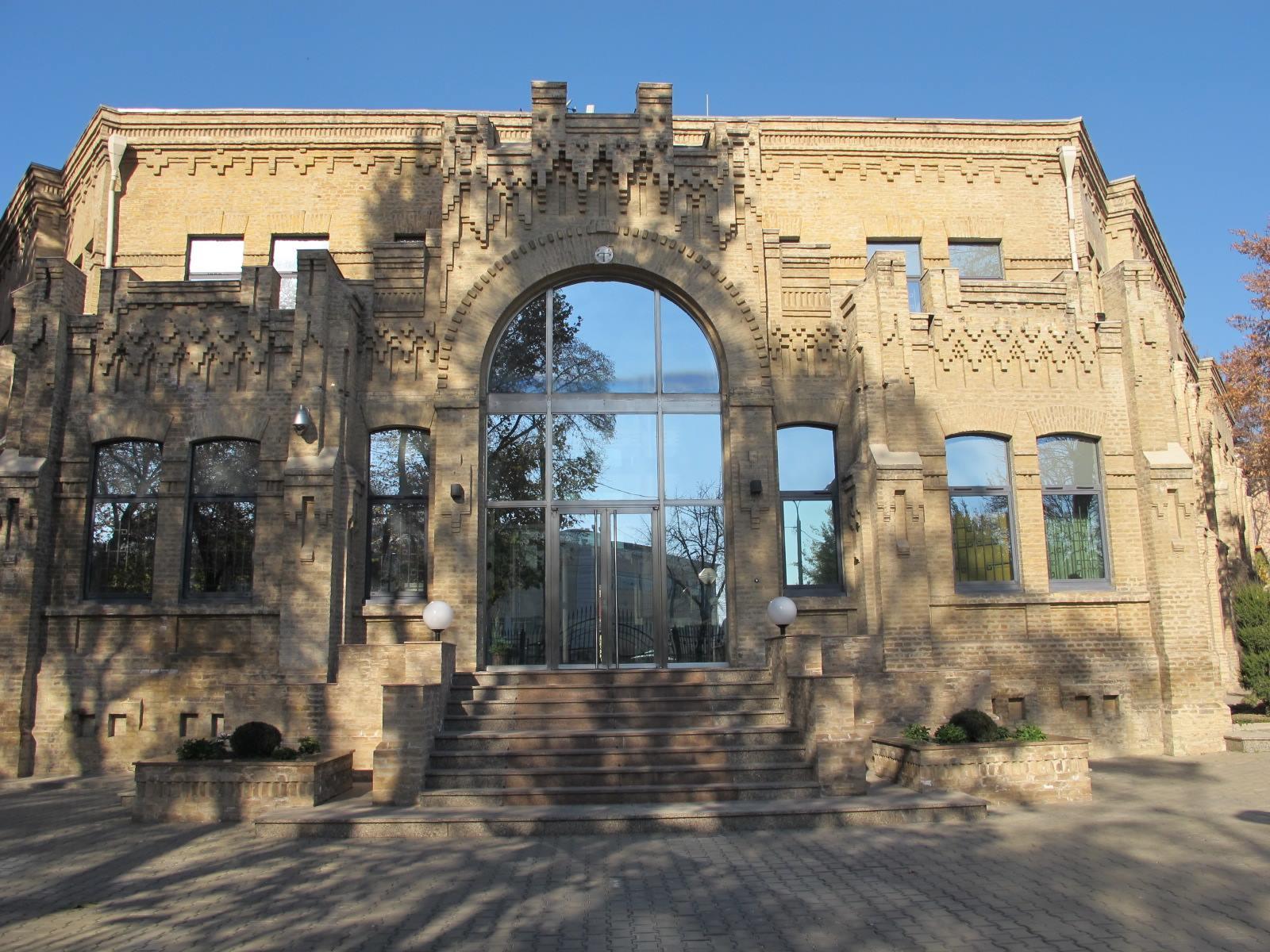
All Tashkent residents notice the French Embassy building located at the corner of Yahyo Gulomov an...

The Academy of Sciences building on Yahya Gulamov Street (formerly Gogol) involuntarily draws atten...
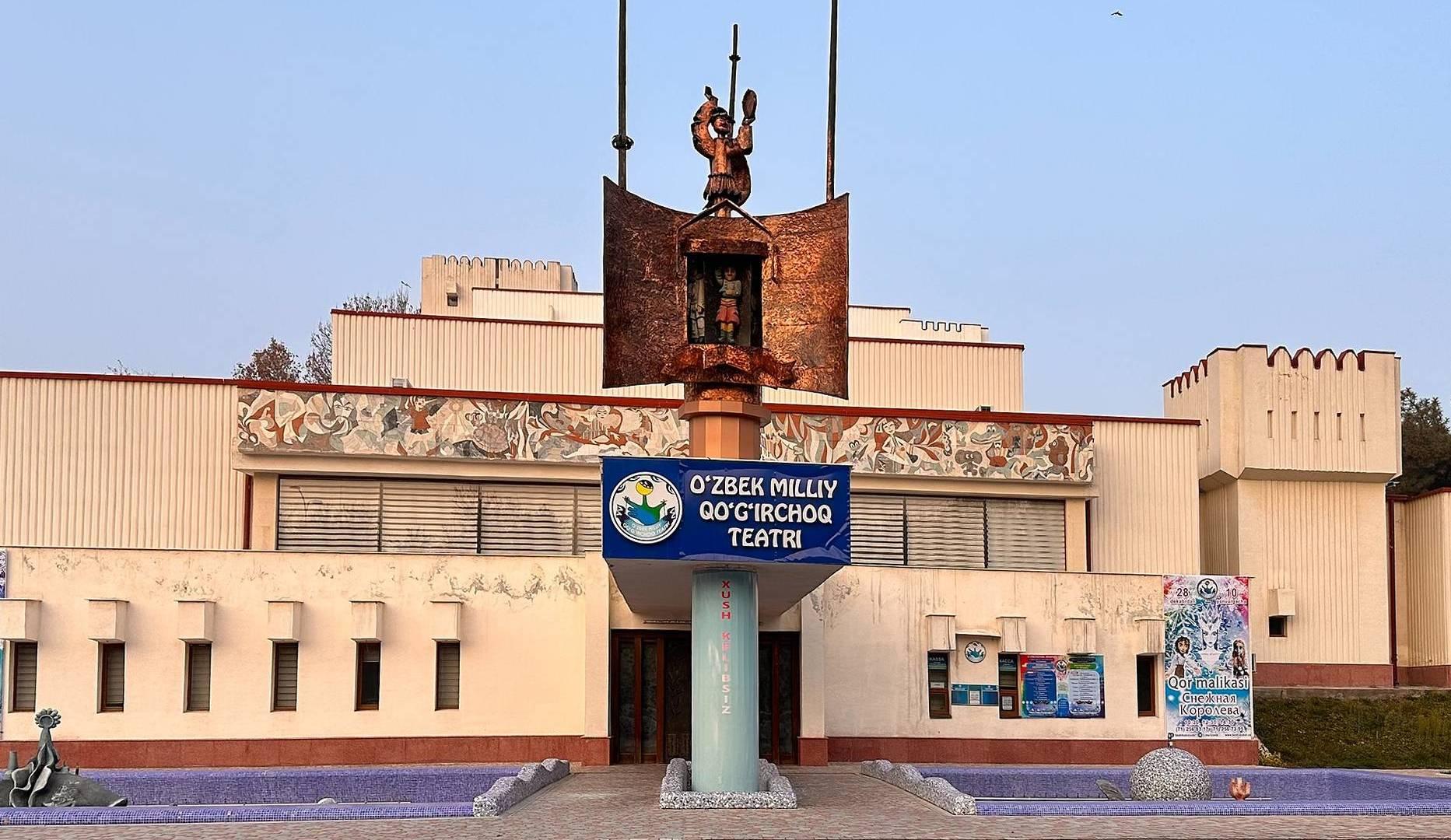
For centuries, maskharaboz (traditional clowns) performed humorous shows on city and village square...