
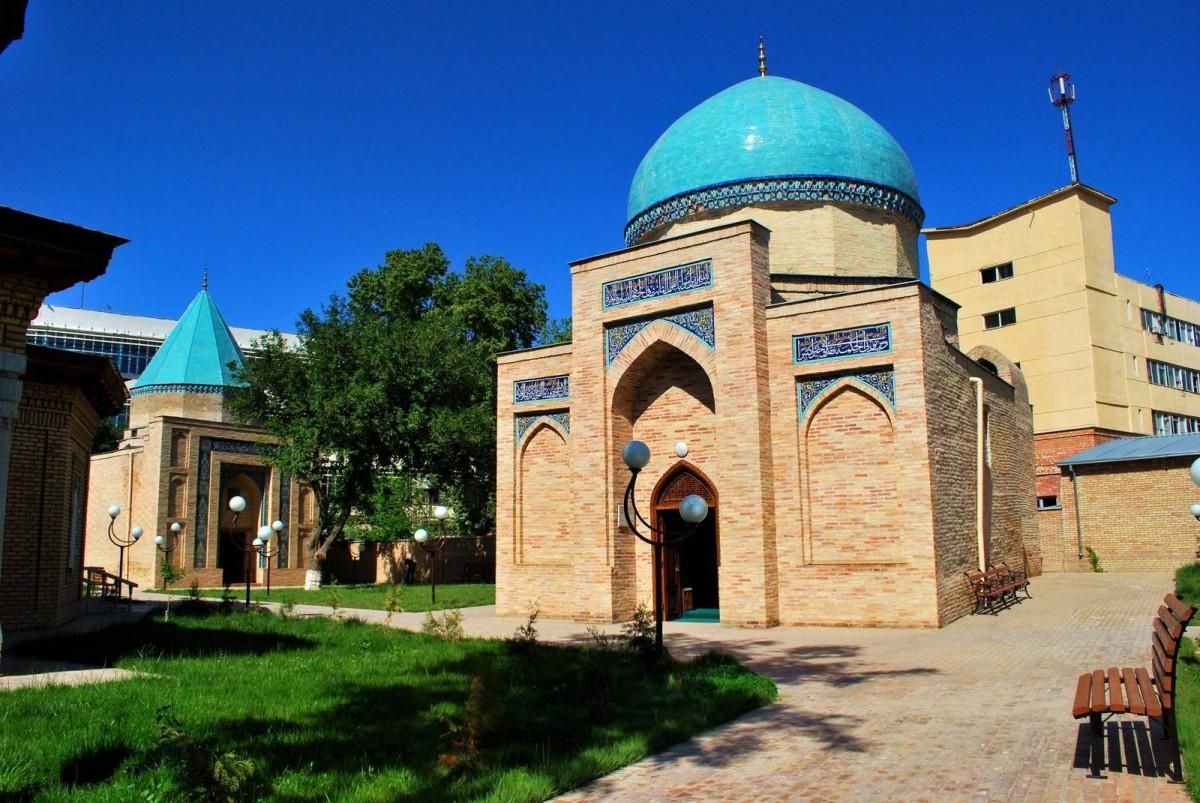
The Sheikhantahur Mausoleum (Sheikh
Khavendi at-Tahur) is the main shrine of the Sheikhantahur architectural
complex, located in the city center between Alisher Navoi and Abdullah Qadiri
Streets.
Sheikh Khavendi at-Tahur was born in
the 13th century in the village of Bagustan, now located on the banks of the
Charvak River. The sheikh was a follower of Khoja Ahmed Yasawi, the founder of
the Sufi order. Sheikh Khavendi at-Tahur traveled extensively and, thanks to
his extensive knowledge and ascetic work, earned the popular title "the
wisest of the wise." After many years of wandering, he returned to
Tashkent and settled near a sacred spring. Legend has it that in pre-Islamic
times, this spring housed a pagan temple of Water and Fire. Sheikh at-Tahur,
who died in 1355, bequeathed his burial here.
Amir Temur, who was treating a
wounded leg in Tashkent with the spring's waters, ordered a mausoleum to be
built over the sheikh's grave. This mausoleum survives to this day. Over the
centuries, a necropolis with the burials of Tashkent residents arose around it,
but during the Soviet era, the cemetery was destroyed. Of the entire complex of
monuments, only the mausoleums of Sheikh Havendi at-Tahur, Kaldyrgach-biy, and
Yunus Khan remain. The first two are accessible to pilgrims and antiquities
enthusiasts, while the Yunus Khan mausoleum is located on the restricted
grounds of the Islamic University.
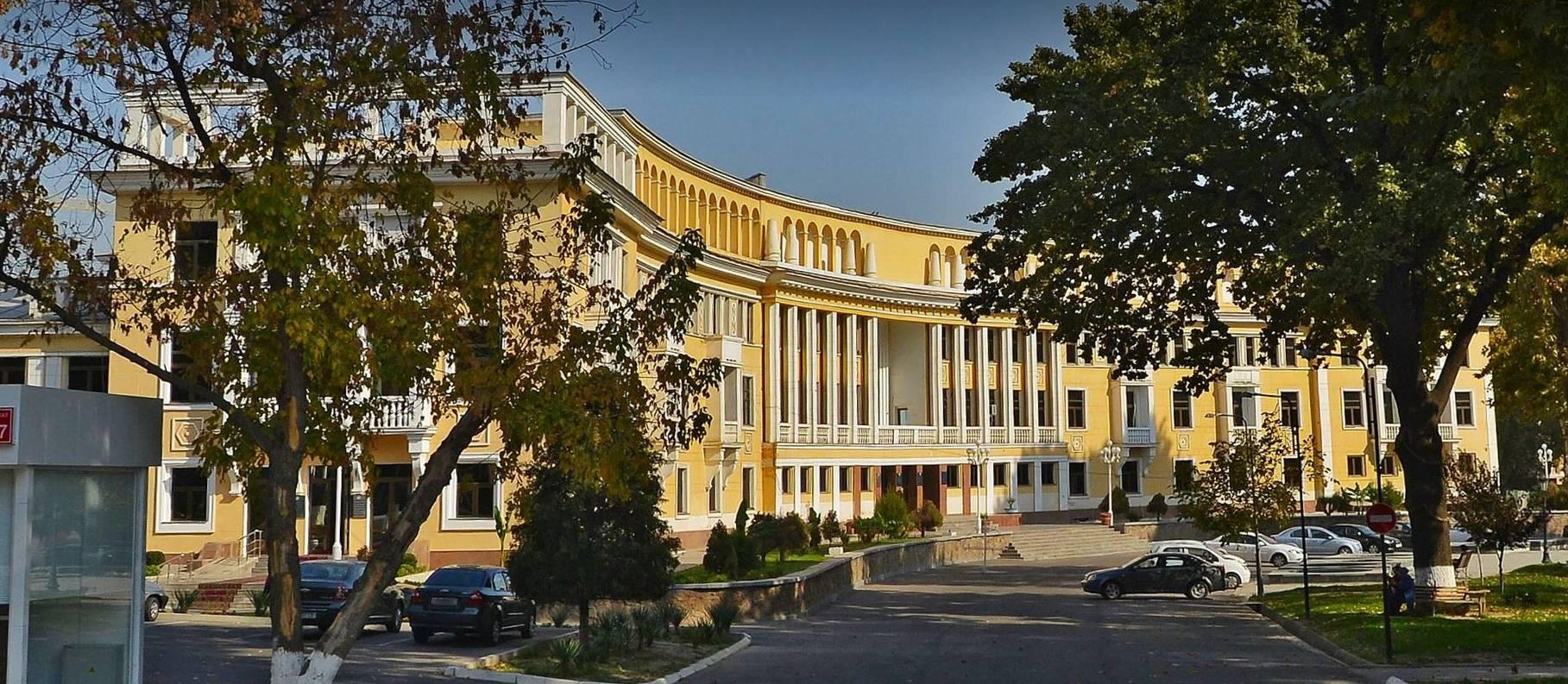
The beautiful building with a semi-circular facade was constructed in 1938 by Moscow architects A. ...
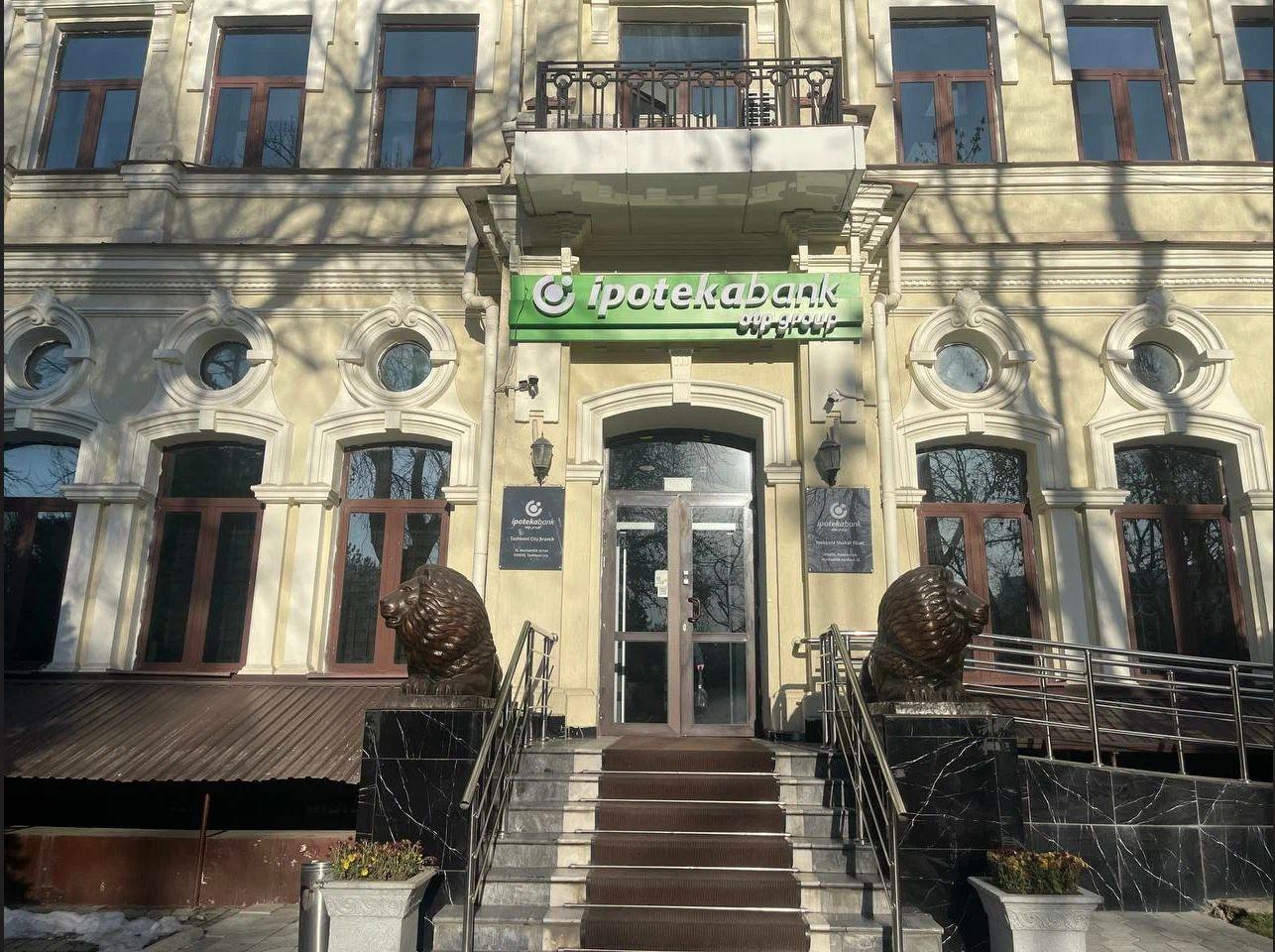
The botanist and pharmacist Hieronymus Ivanovich Krause arrived in Tashkent in 1870 and began worki...
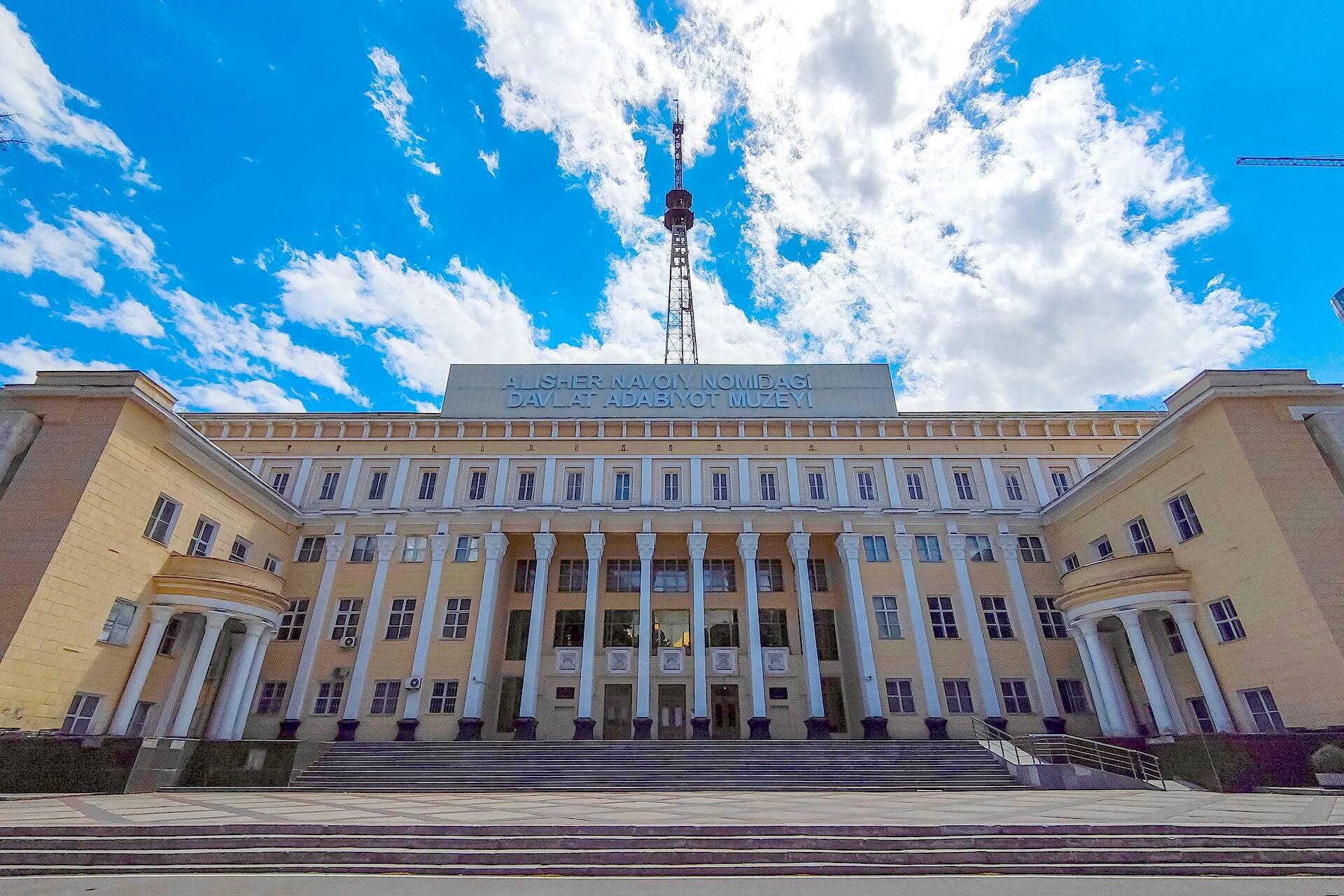
The beautiful large building on Navoi Avenue was built in 1940 according to the design of architect...
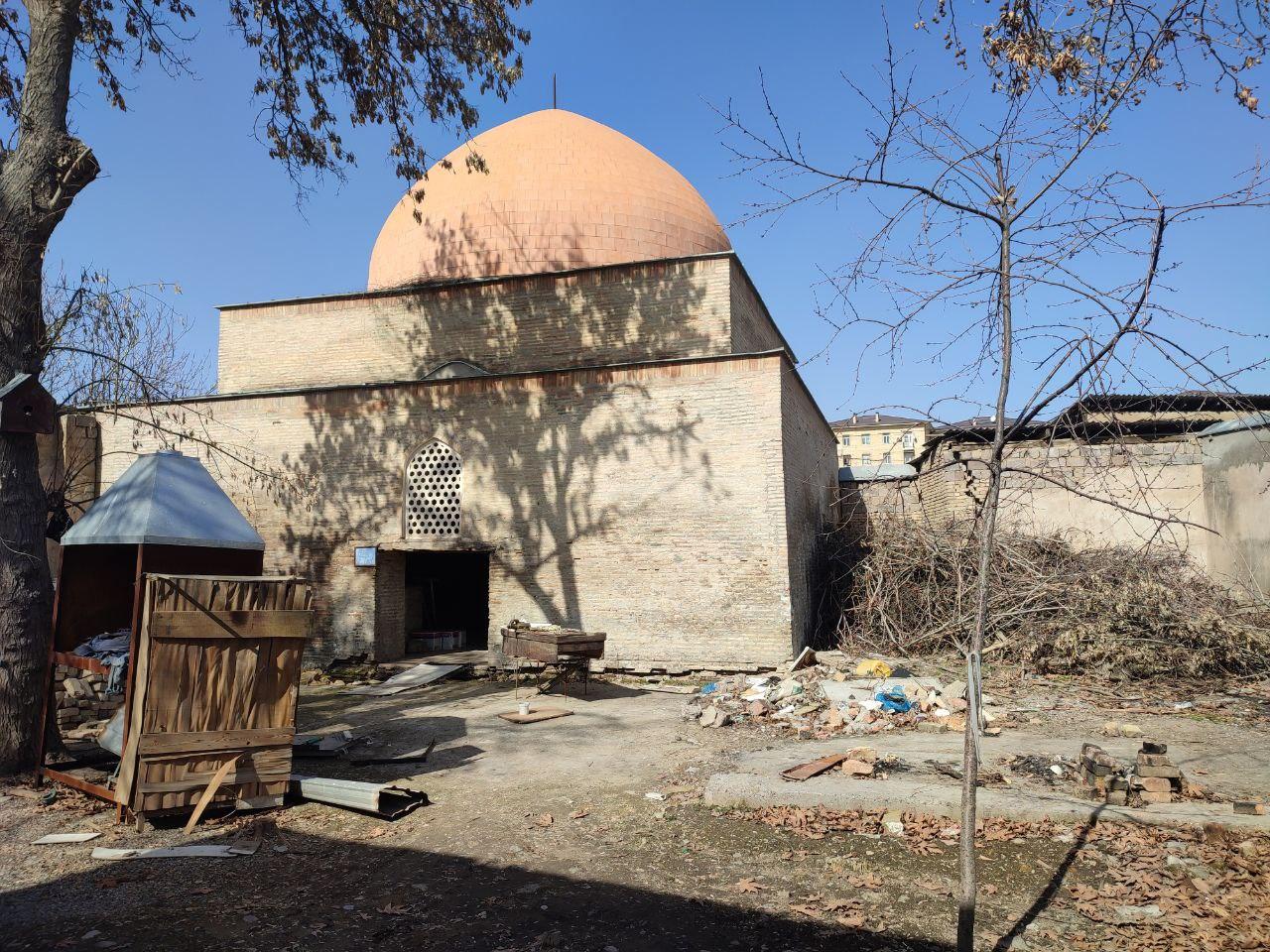
The mosque, with its orange dome visible from afar, was first registered as a historical monument i...