
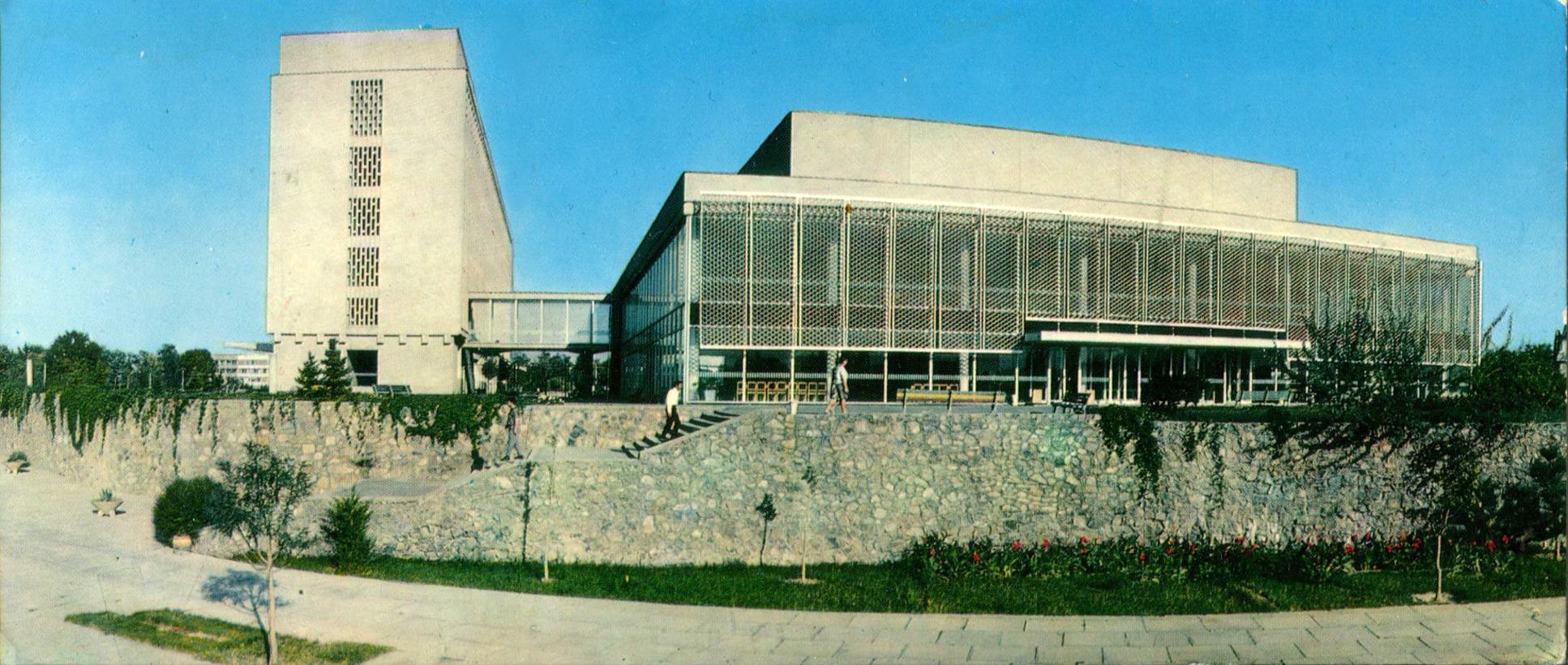
The former Central Committee of the Communist Party of Uzbekistan building was constructed in 1964.
Architects: V. Berezin, Yu. Khaldeyev, A. Feinleib, S.
Ishankhodjayev, R. Bleze, Yu. Zakirov; engineers: E. Lenneshmidt and A. Asanov.
The structure stands on the rampart of the old
fortress along Islam Karimov Avenue, on the bank of the Ankhor canal, and is
one of the Soviet modernist buildings erected for the 40th anniversary of the
Uzbek SSR.
The seven-storey administrative block is adjacent to a
lower assembly-hall wing; the two are connected by a glass passageway on the
second floor.
The extensive glazing symbolised the openness of
power, although, as architecture historian Boris Chukhovich notes, in art it is
sometimes interpreted as a sign of leadership control over the people.
During the Soviet period, the sixth floor housed
Sharof Rashidov’s office and reception room — witnesses recall that the lights
stayed on late into the night.
In the early years of independence, Islam Karimov’s
working office was located here (until the Oqsaroy residence was built). The
Presidential Apparatus was also housed in the building. Today it serves as the
Constitutional Court.
Remarkably, over its 60-year history the building has
hardly changed and has preserved its original appearance almost entirely.
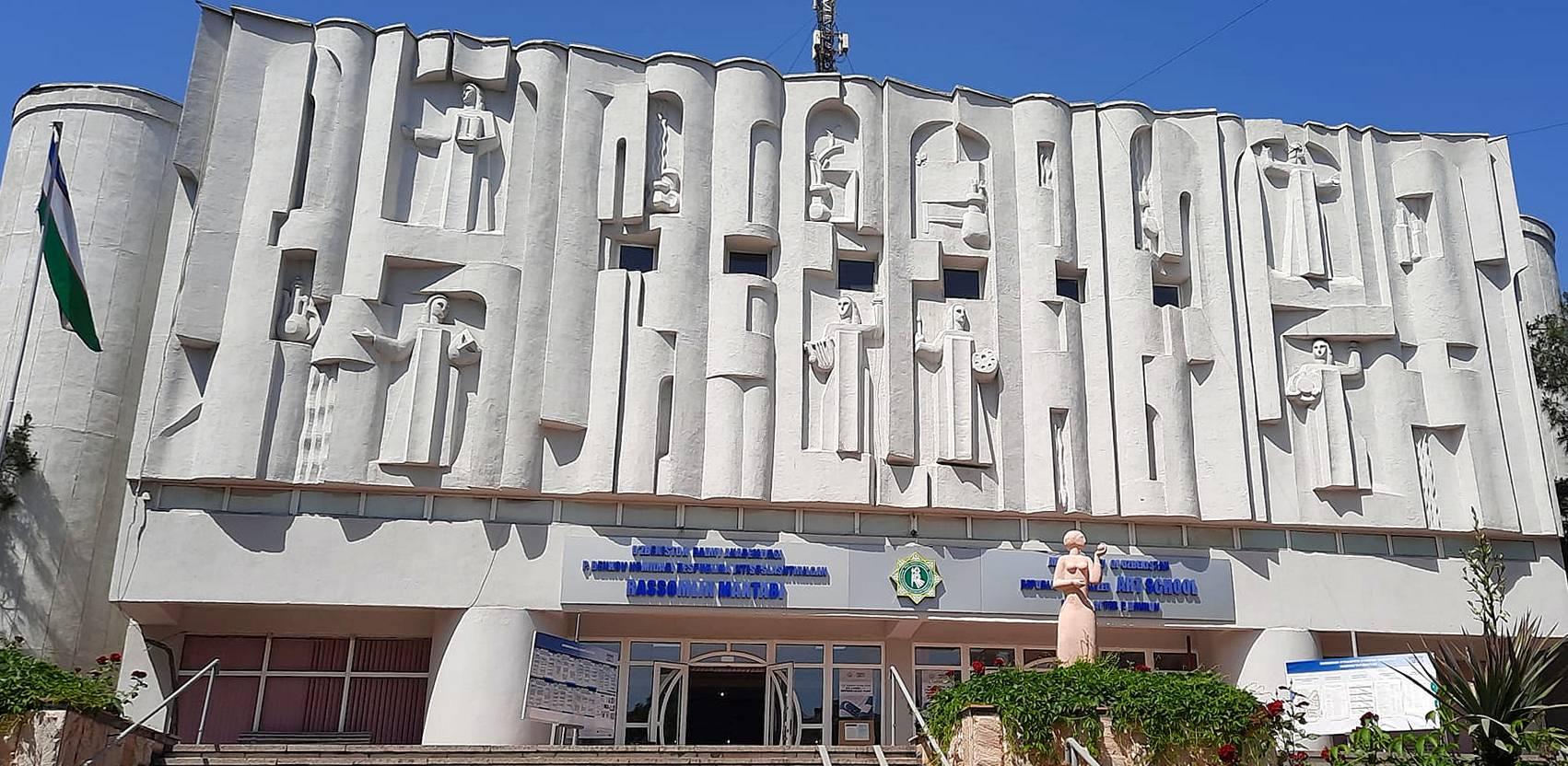
The white, modest yet highly expressive building of the college was constructed in 1984 on a hill b...
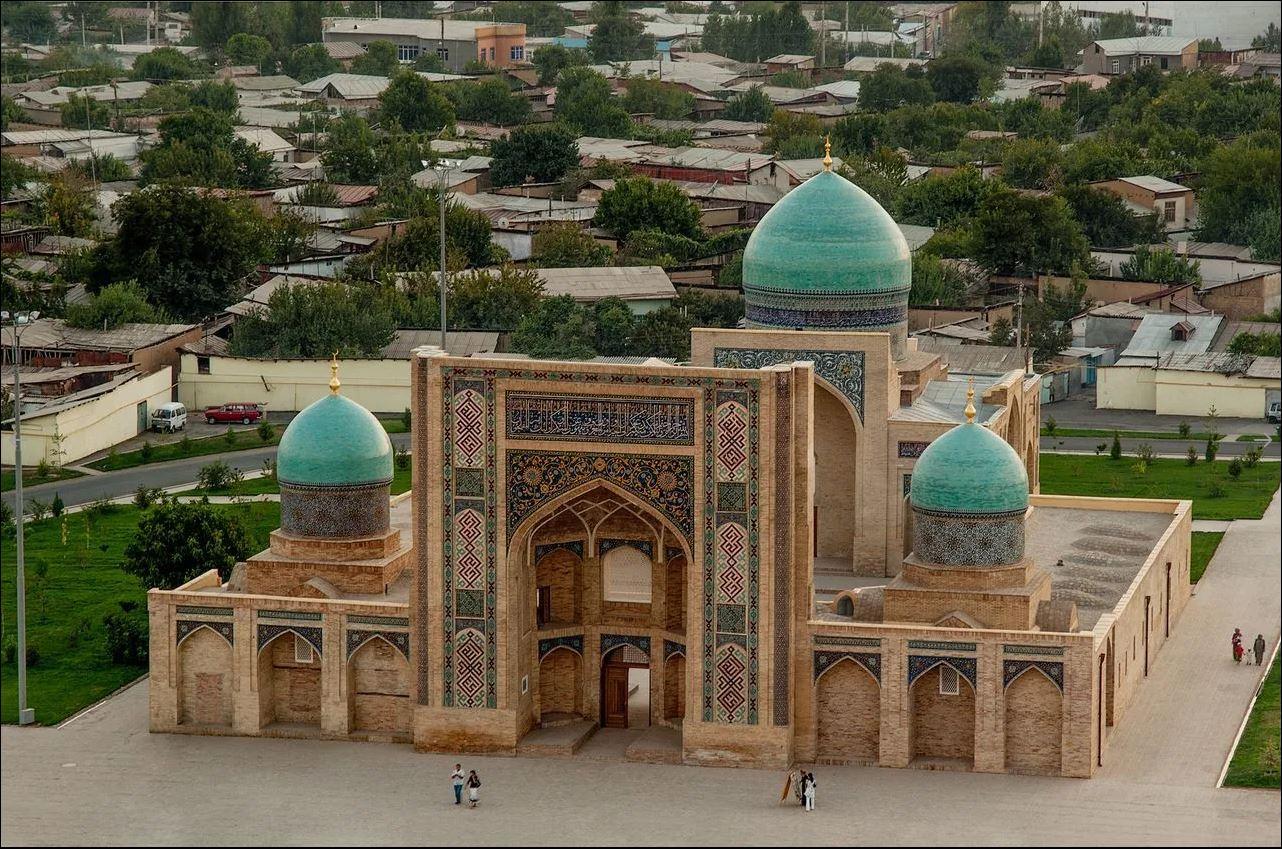
In 2007, the Hastimam or Hazrati Imam complex was opened in honor of the great theologian and schol...
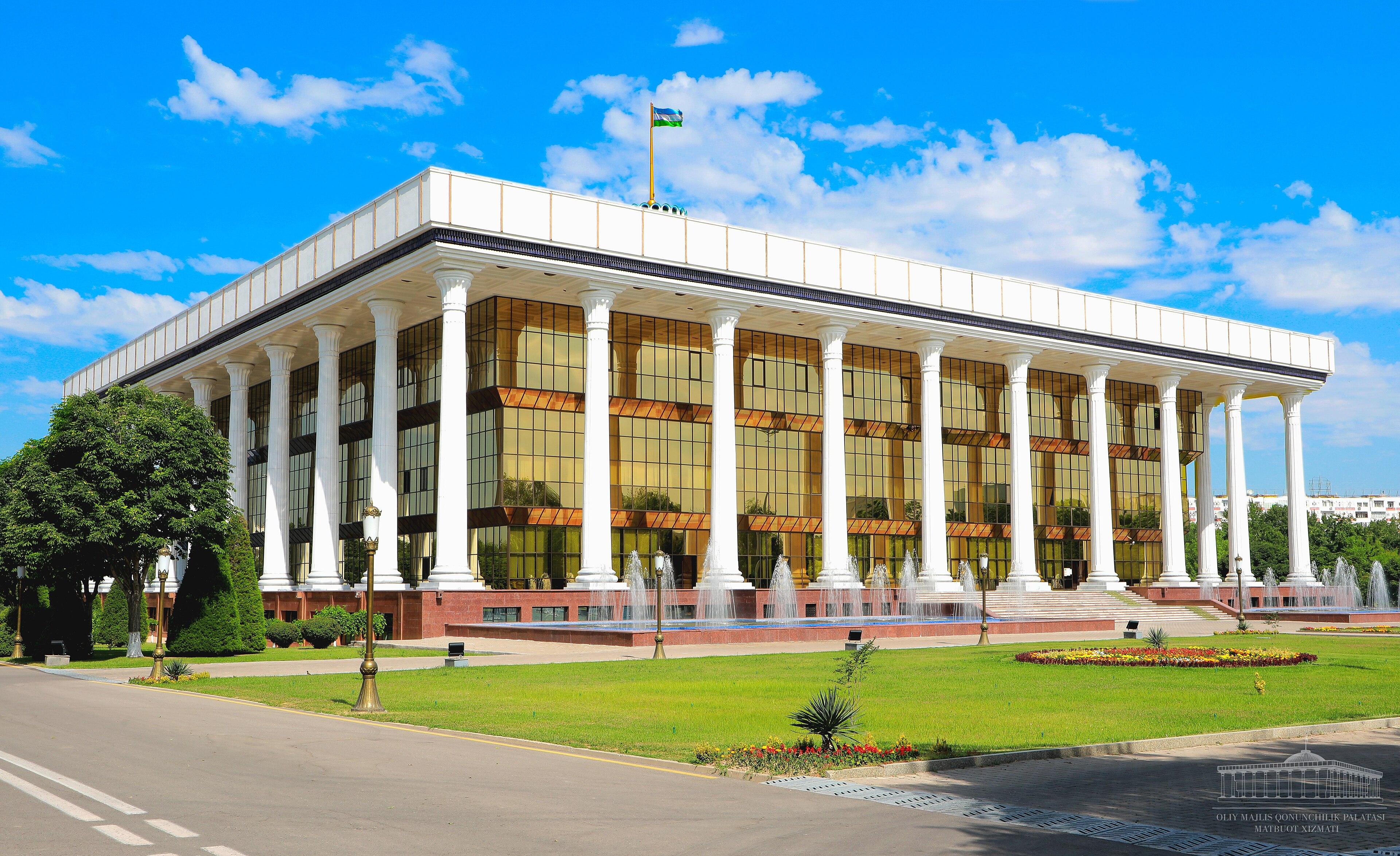
The building is easily recognizable due to its monumental architecture. It was constructed in 1997...
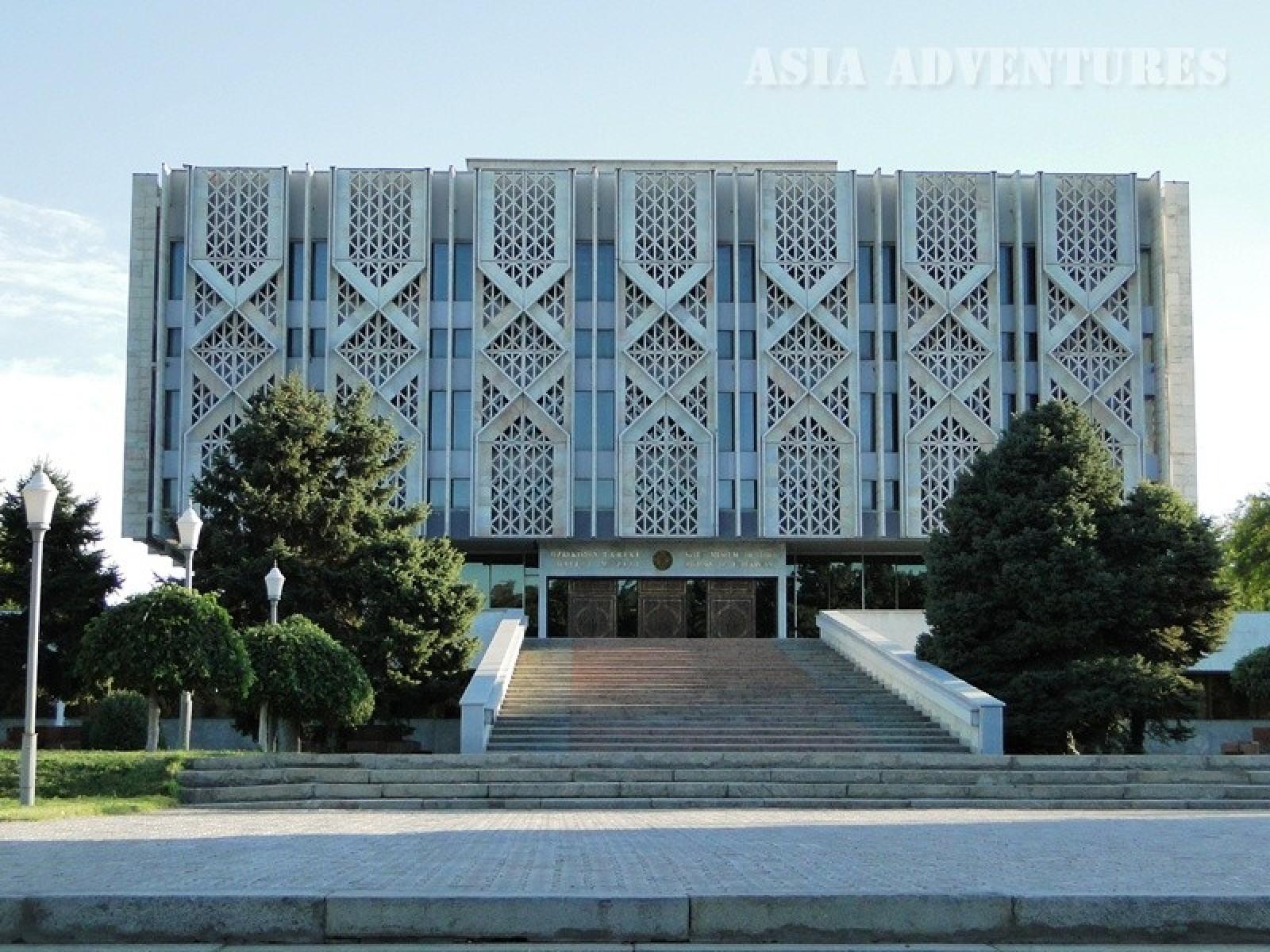
The State Museum of History of Uzbekistan is housed in one of Tashkent’s most beautiful buildings —...