
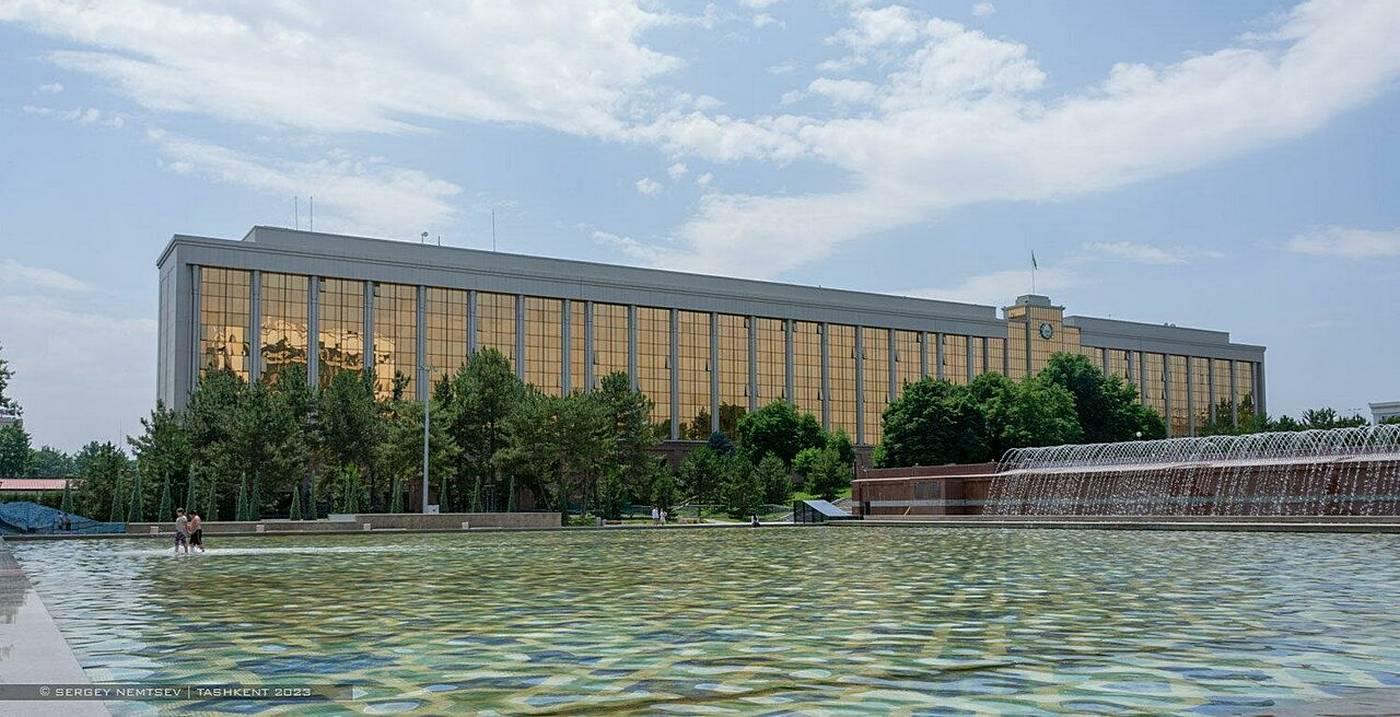
Mustaqillik Square acquired its main features after the 1966 earthquake, when the former Red Square was enlarged more than threefold. However, transformations had begun even earlier: in 1965 construction started on a new, modern (for its time) Council of Ministers building raised above the foundation on V-shaped supports.
In 1970 construction began on the
high-rise “House of Ministries” decorated with a rectangular sun-shading
lattice (panjara). Adjacent to it was the “Iskra” cinema with a flat horizontal
layout.
The architects of the Parade Alley and
Lenin Square (Ye. Rozanov, B. Mezentsev, B. Zaritsky, V. Shestopalov, A.
Yakushev, and L. Adamov; engineers V. Krichevsky, T. Melik-Arakelyan, N.
Nikitin, Yu. Kozel, A. Kolotiev, and Z. Muftakhov) created one of the largest squares
in the former USSR, complete with fountains, flowerbeds, and tree-lined
avenues.
In the early 21st century the appearance
of Mustaqillik Square was altered: the wide parade route was narrowed, part of
it turned into green areas, the ministries high-rise was “shortened” by 6
floors, and instead of the lattice it received aluminium composite panels and
dark glazing.
The brutalist Cabinet of Ministers
building was damaged during the events of 16 February 1999. During
reconstruction the supports were enclosed and the façade was clad in
gold-tinted glass, leaving the architects’ original concept in the past.

The architectural complex “Ma’rifat Markazi” (Center of Enlightenment), built on Navoi Street for t...
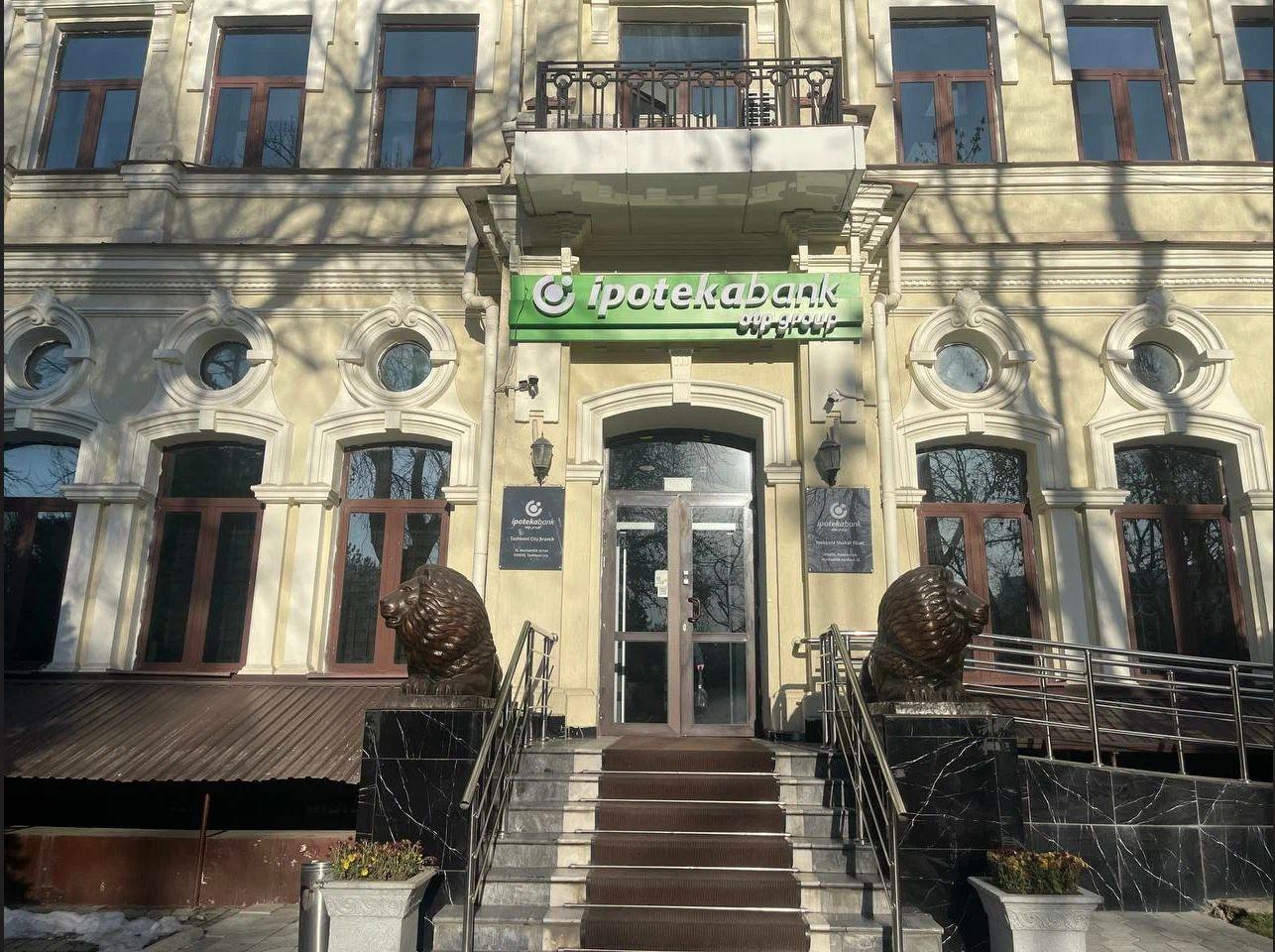
The botanist and pharmacist Hieronymus Ivanovich Krause arrived in Tashkent in 1870 and began worki...
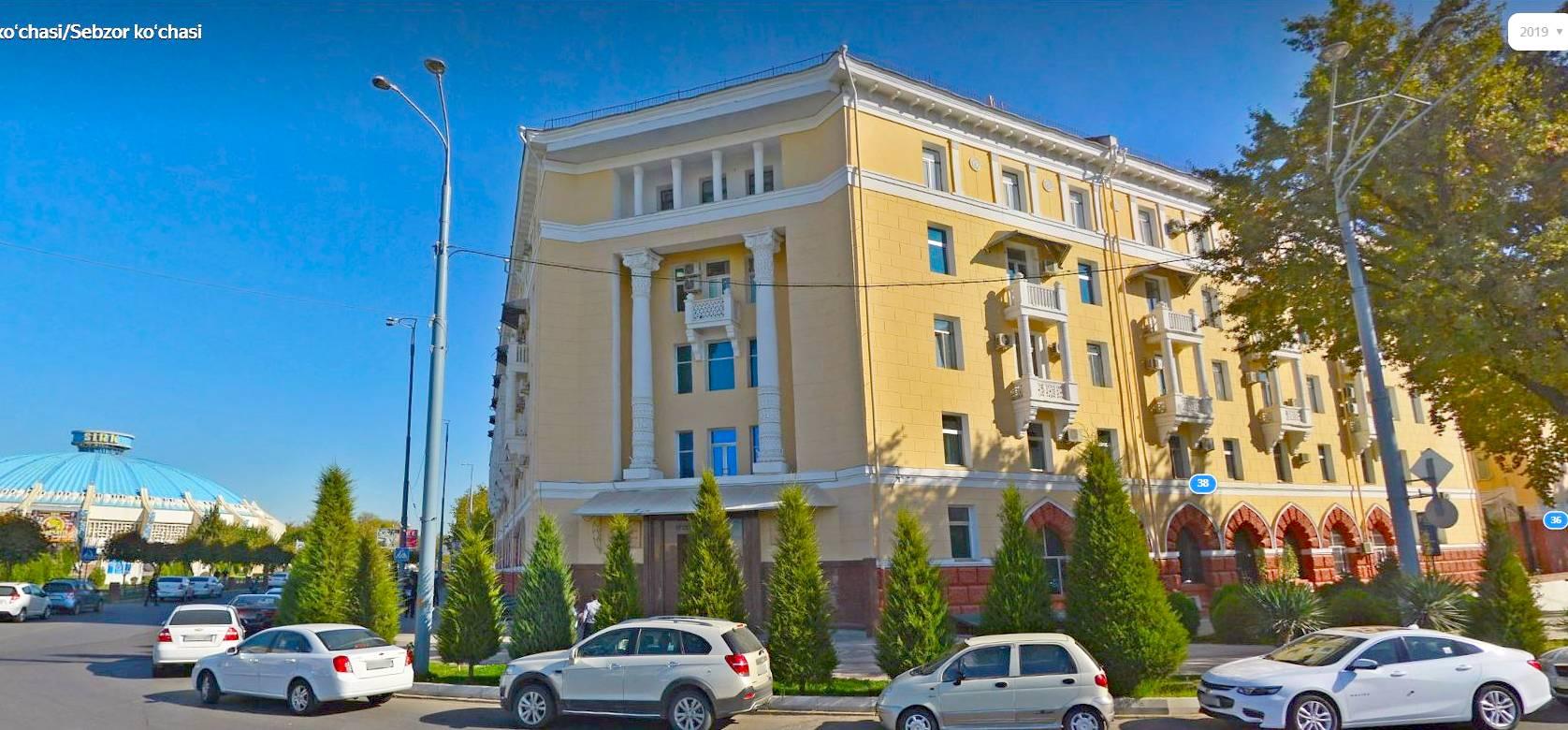
The building is well known to every Tashkent resident: for nearly 80 years, it visually “anchors” H...
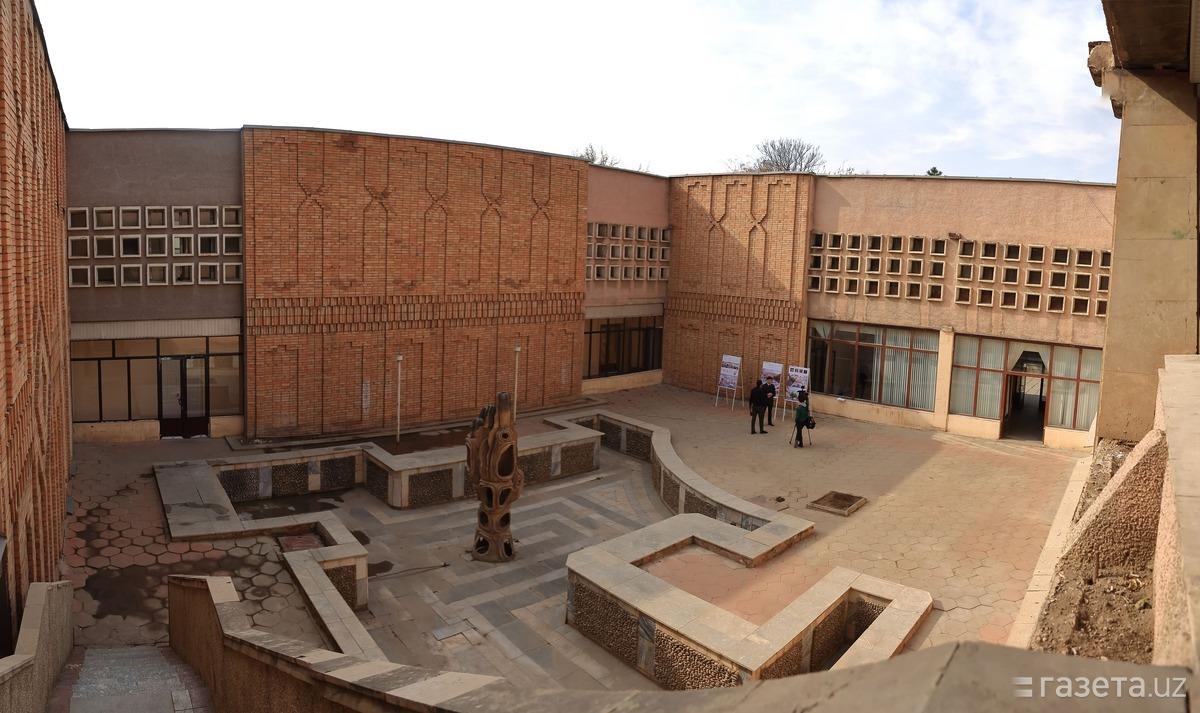
The building of the former “Inturist” cultural and information centre was constructed in 1986 accor...